Monster Hunter Stories: How the Turn-Based RPG Spin-Off Became a Pillar of the Iconic Action Series
A Monster Hunter for Everyone
As the original Monster Hunter Stories approaches its tenth anniversary, the team reflects on how the two games (soon to become three) have helped shape other entries, and the franchise as a whole. One of the greatest discoveries was how approachable Stories made the world of Monster Hunter, often considered tough to get started with, and even tougher to master.
“The Monster Hunter Stories series is accessible even for those who aren’t good at action games, and because of this, it can be enjoyed by a wide range of ages, so some players start with the Stories series as an introduction before moving on to the action-focused Monster Hunter series,” Executive Producer Ryozo Tsujimoto tells us.
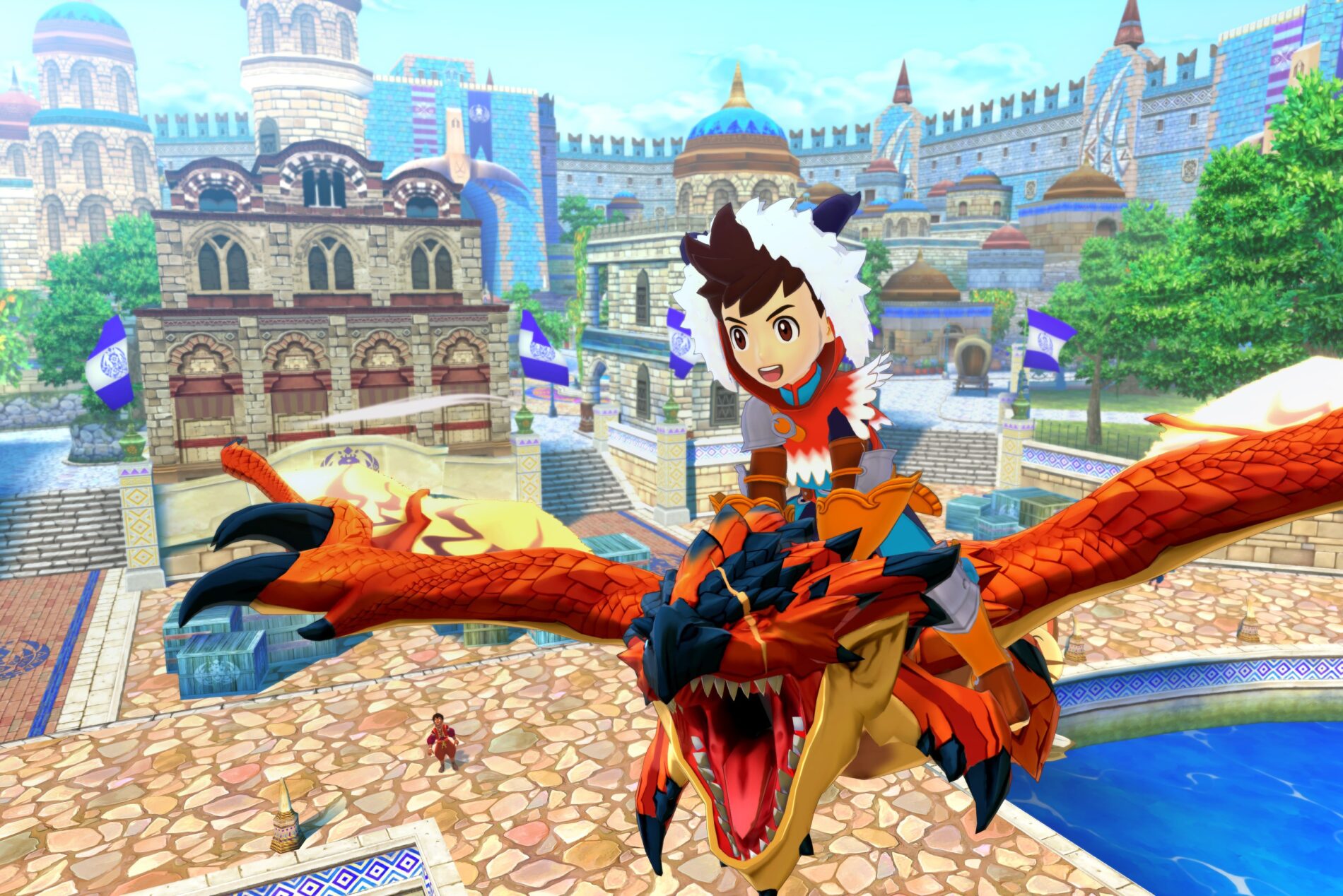
The Monster Hunter series is renowned for its high-skill, real-time combat, and it’s a system that many generations of hunters have come to consider the very heart of the games. The decision to give Stories a turn-based system felt like a big change, but one that was necessary to appeal to a different set of players, and one that gives Monster Hunter enthusiasts an alternative way to engage with the world they love.
“[Monster Hunter] Stories is a series we aim to cultivate as a new pillar, distinct from the action-focused Monster Hunter games,” says Kenji Oguro, Director of the Monster Hunter Stories series. “We want players who aren’t comfortable with action games or who enjoy RPGs to play it.
“Some Monster Hunter players enjoy the world and monsters, even if they aren’t great at action gameplay. When starting the first [Stories] game, I was amazed at how well-known and memorable the monster names were among fans. In expanding the Monster Hunter brand, we determined RPGs were the optimal format to build on the world, story, and monsters.
“The mainline series will continue to refine its action-focused gameplay, but Stories is positioned to emphasize the enjoyment of storytelling and collection, so we adopted the turn-based command battle system familiar to JRPGs.”
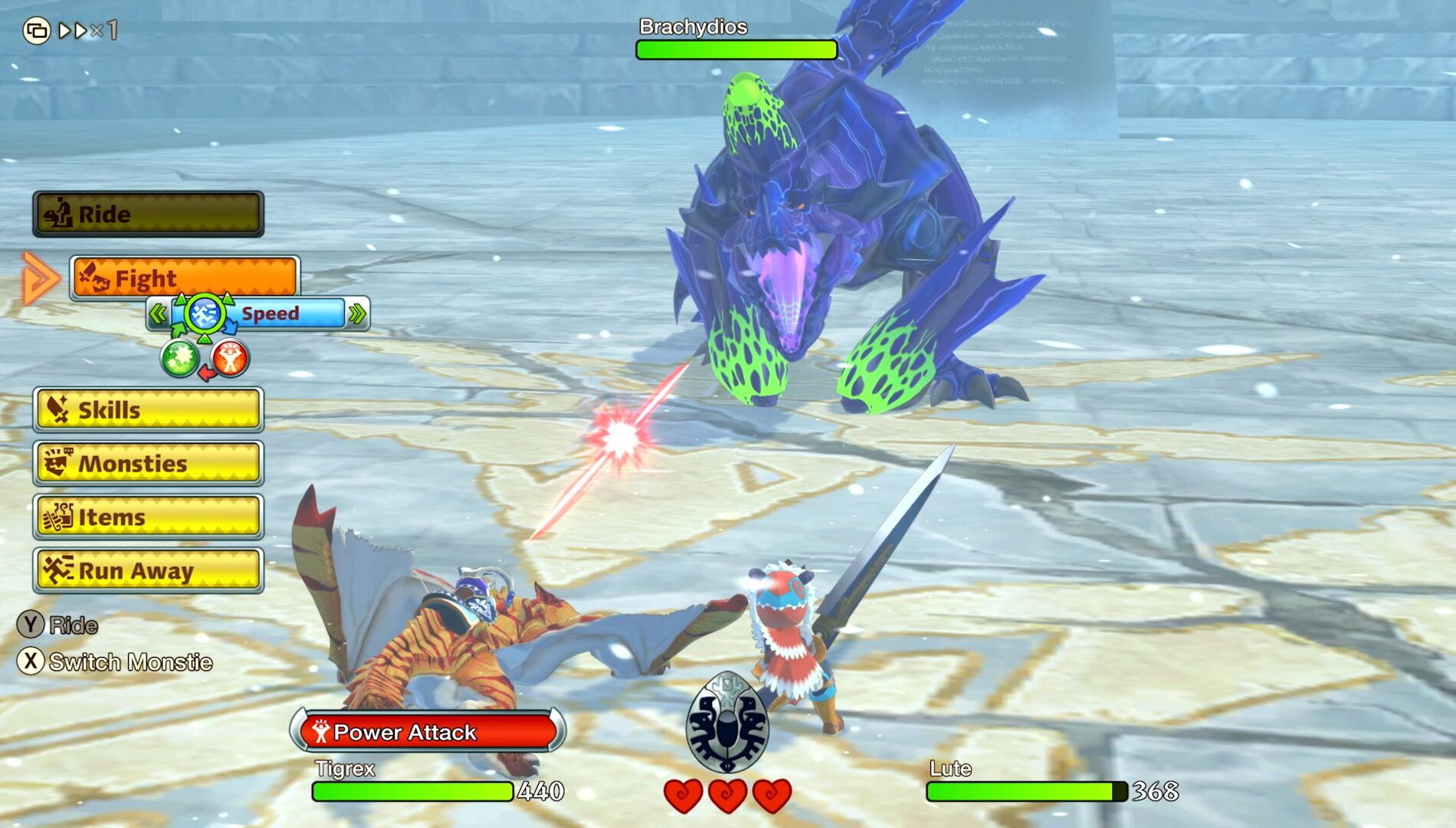
While developing that first Monster Hunter Stories title, released in 2016, the team understood the popularity and appeal of action RPGs at the time, but it remained crucial that even the most alluring genres could capture what Oguro calls “the essence of Monster Hunter”.
“We aimed to express the core action element of ‘reading monster movements and positioning yourself’ through a rock-paper-scissors dynamic,” Oguro adds. “By giving each monster distinct quirks, players can read and memorize them to gain an advantage in battle. This flavorful approach expresses the Monster Hunter essence.”
But the larger challenge remained – how do you make this turn-based combat style compelling to players that are used to the series’ trademark high-action combat?
“The battle system centers on a dynamic based on power, speed, and technique, leveraging monster characteristics,” Oguro explains. “We believe Monster Hunter action game players also recognize the feature where victory comes from reading a monster’s quirks. In [Monster Hunter Stories 3], we established a battle vision centered on the fun of strategizing your approach, and the resulting ‘chain’ of satisfying moments when successfully executing your plan.”
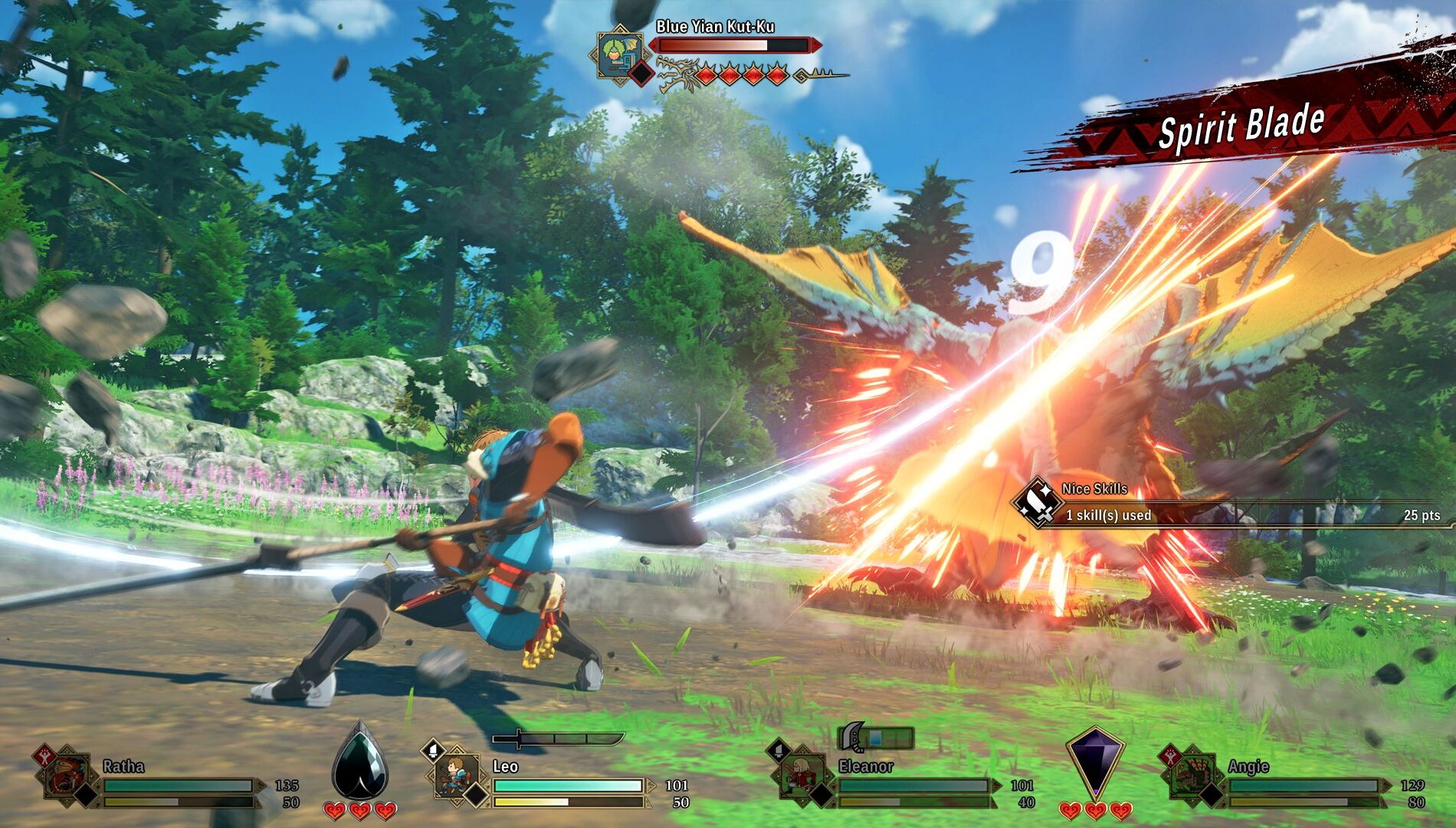
A concrete example of this: executing a plan to break a Monster’s body part and aim for a knockdown makes it easier to trigger Monster Hunter Stories 3’s new Synchro Rush system—a simultaneous attack—after securing the knockdown. This can lead to a Ride On, followed by a Kinship Attack to deliver the finishing blow, culminating in powerful, dramatic moves during the battle’s climax.
“Thus, in this installment, the fun lies in thinking, ‘I know how to win. Now, how do I win effectively?’ and where the exhilaration and sense of accomplishment when it all comes together are amplified.” Oguro adds.
What To Expect in Monster Hunter Stories 3
While Monster Hunter Stories 3 is building upon the design choices made in the previous entries, it’s a little different in a few areas too. One of the most noticeable evolutions is in its art style – still animated, but with a more mature edge. It was a conscious evolution for the team. At the start of development, Tsujimoto-san’s initial concept was to make Monster Hunter Stories 3 more like an RPG, while the previous two titles were simply incorporating Monster Hunter elements into an RPG framework.
“This title aims to stand on its own as an RPG,” Oguro adds. “We envisioned the RPG we wanted to create and expressed it within the Monster Hunter world. The graphics and story feel more mature, along with the battle system enhanced with greater strategic depth, and both were born from this guiding principle.”
One of my personal favorite things about Monster Hunter Stories is the quirky, often dry sense of humor in the dialogue. With a more serious edge, I was curious to find out if Monster Hunter Stories 3 will continue its streak of weirdness, and delighted to discover that while the dialogue has matured alongside the game’s narrative and visuals, it’ll retain a subtle humor (as all Monster Hunter games do).
“Compared to the previous two titles, the overall tone has definitely become more serious,” Oguro says. “However, if it were serious throughout, it would feel heavy and exhausting, so having little breaks and getting that balance just right is incredibly important.
“In previous entries, Navirou, your Palico companion, handled that comedic dialogue. Starting this installment, considering the protagonist now speaks, Royal Felyne Rudy is a new character that serves as the protagonist’s Palico companion, shifting the tone from outright gags to subtle humor. Additionally, each Ranger companion has a distinct personality, so you should find the conversations with them entertaining too.”
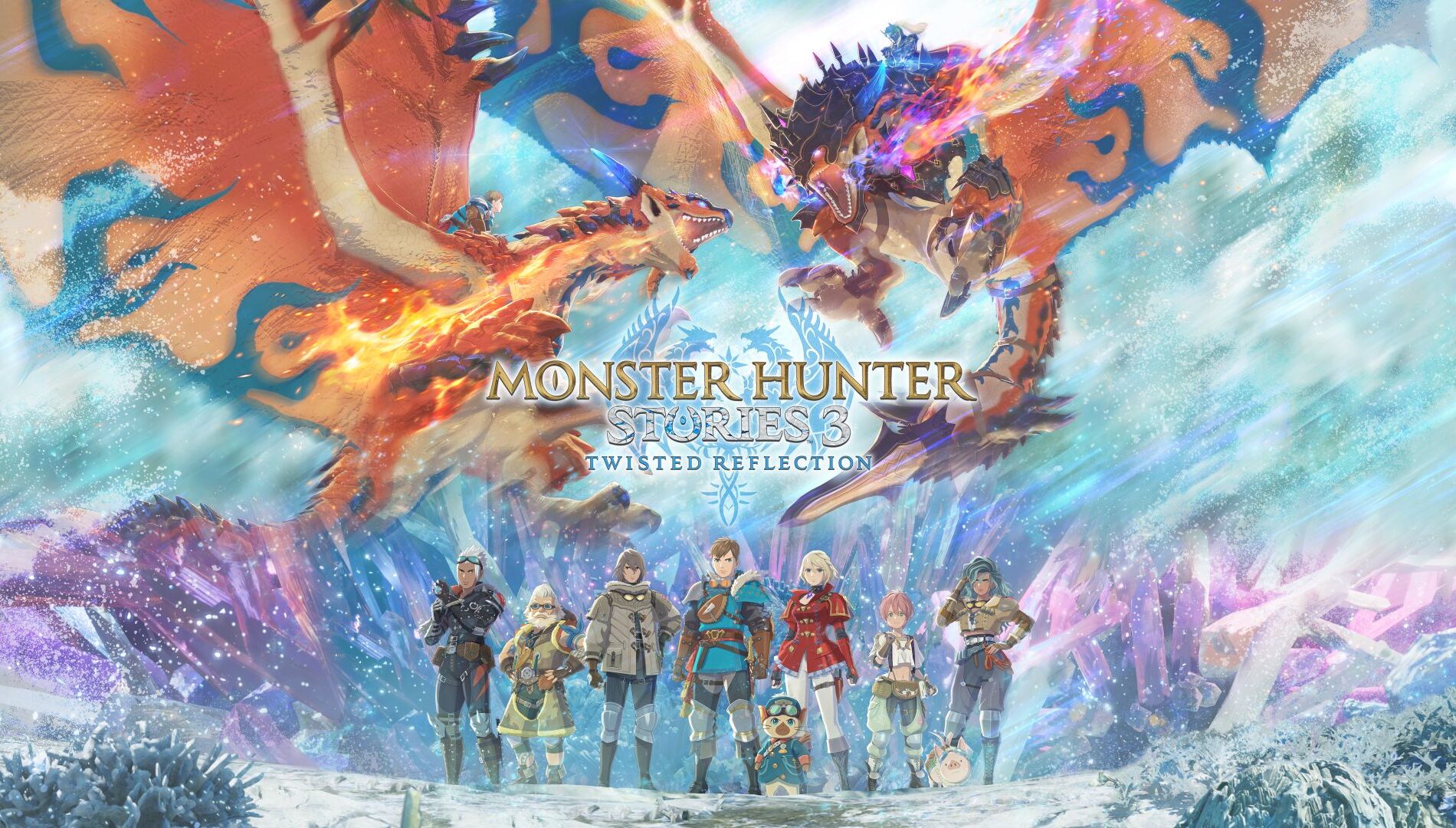
If you’re not up to speed on the narrative of Monster Hunter Stories 1+2, or you’re too excited to jump into Monster Hunter Stories 3 when it launches, then you’re in luck. You don’t need any prior knowledge of the first two games in order to enjoy the next installment.
Monster Hunter Stories 3 takes place approximately 200 years after the previous game’s timeline, featuring a completely new story and cast of characters, so you can start playing right away (but we do deeply recommend that you do pick the first two games up, as they are absolutely wonderful, and there will be small nods to those games in Stories 3).
Xbox players can grab the first two Monster Hunter Stories games in the series at a bundled discount with the Monster Hunter Stories Collection, or purchase each game individually. These adventures serve as the perfect warm up ahead of the launch of the newest entry in the series, Monster Hunter Stories 3: Twisted Reflection, coming to Xbox Series X|S on March 13, 2026 – available now for preorder.
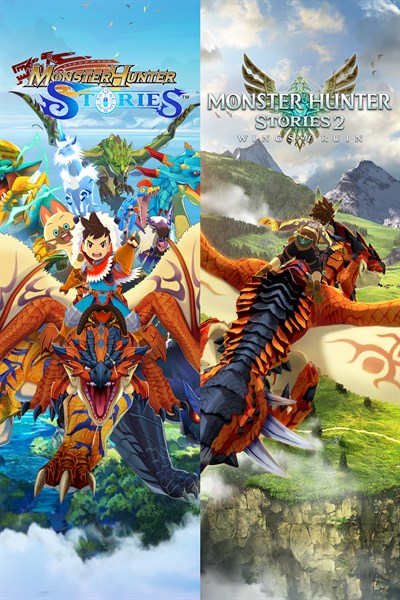
Monster Hunter Stories Collection
CAPCOM Co., Ltd.
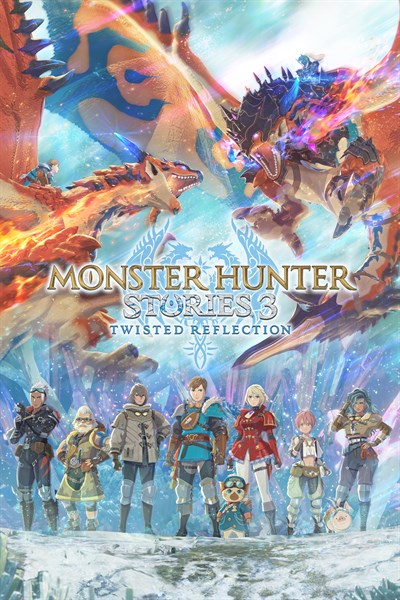
Monster Hunter Stories 3: Twisted Reflection
CAPCOM Co., Ltd.
The post Monster Hunter Stories: How the Turn-Based RPG Spin-Off Became a Pillar of the Iconic Action Series appeared first on Xbox Wire.
source https://news.xbox.com/en-us/2025/11/14/monster-hunter-stories-interview/
Post a Comment for "Monster Hunter Stories: How the Turn-Based RPG Spin-Off Became a Pillar of the Iconic Action Series"