How History Inspired the Medicine of Kingdom Come: Deliverance II’s Mysteria Ecclesiae DLC
Authenticity and historical accuracy are pillars of Warhorse’s medieval world, and for this new story, the developers were once again able to lean on a treasure trove of historical information. But while written medical records from the time proved relatively scarce, the team was instead able to infer the level of local skill by looking to Europe’s most medically advanced nations.
Here, the records of knowledge from countries like Greece and Italy provided more concrete detail. While the richest Bohemians could draw on the medical wisdom held by the monasteries, skilled physicians would visit abroad and bring vital new knowledge home with them, thus improving the lives of the wider population.
“In this DLC we have a famous Czech physician, Albich of Uniczow, who was studying at the time in Padua, Italy,” explains Martina Daněk, Senior Narrative Designer at Warhorse.
“He brought these very progressive studies and theories to Bohemia, and was considered by some people to be rather strange for having them! It’s simply that these ideas and insights were really progressive for the time.”
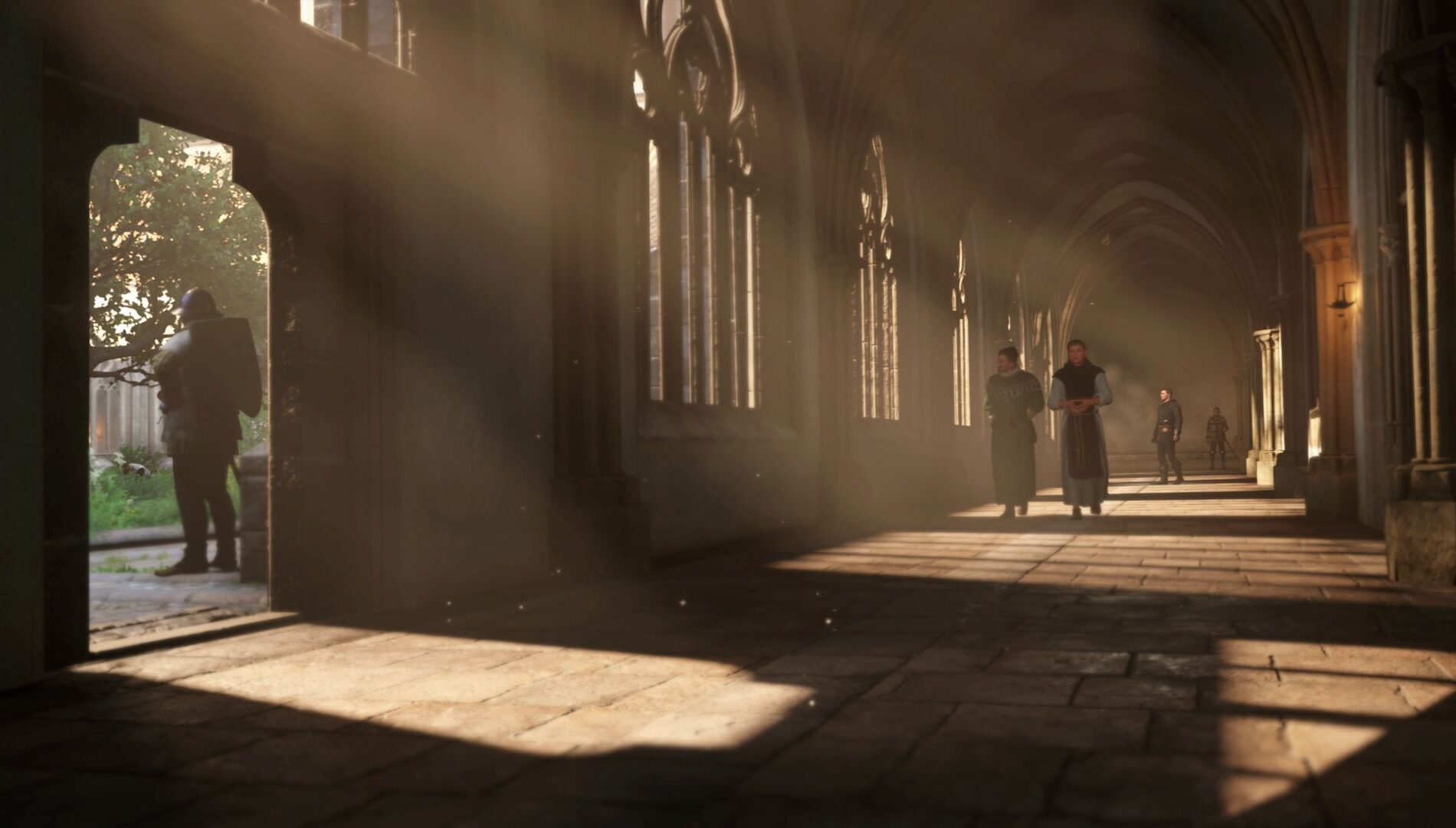
How exactly could a Bohemian resident draw on this sort of expertise though? Well, if you were fortunate enough to live in a city (and rich enough to afford such services), you could avail yourself of the latest medical advances.
For rural villagers, however, immediate help came more often than not in the form of a herbal infusion concocted by a knowledgeable elder. Just like today, chamomile tea was a popular treatment for a range of ailments, but this isn’t the only remedy that’s survived to the modern era.
“One of the more “gruesome” options that were available in medieval times involved leeches,” explains Daněk. “There was a theory around “bodily humors” that involved remedying certain imbalances in the body through bloodletting. So they would put leeches on the patient’s skin to restore harmony.
“We don’t use them for that purpose today, but if someone’s had a serious injury and there’s a risk of blood clots forming, we can still use leeches to get rid of them!”

More squeamish still are the topics of surgery and dentistry – the latter being a service commonly provided by blacksmiths like Henry, where brute strength would have trumped finesse given the tools of the time. Beyond this sort of blunt treatment though, the options for surgery were few and far between.
“Given the circumstances of the time, surgery was a rare event – and very much a last resort,” says Daněk. “If they made an open wound, then any number of things could happen to endanger the patient’s life.
“Something like surgery was the trepanning of the skull to relieve the patient of things like gruesome headaches and seizures. They drilled a little hole in the skull to relieve the pressure in the brain.”
Henry faces plenty of his own difficult choices as the story of Mysteria Ecclesia plays out, and where the motivations of its characters are not always as they seem. Your own journey through Sedletz Monastery’s dark mystery begins when the DLC launches on November 11.
Kingdom Come: Deliverance II
Deep Silver
The post How History Inspired the Medicine of Kingdom Come: Deliverance II’s Mysteria Ecclesiae DLC appeared first on Xbox Wire.
source https://news.xbox.com/en-us/2025/11/10/kingdom-come-deliverance-2-mysteria-ecclesiae-dlc/
Post a Comment for "How History Inspired the Medicine of Kingdom Come: Deliverance II’s Mysteria Ecclesiae DLC"