The Blood of Dawnwalker: Dead and Loving It

Summary
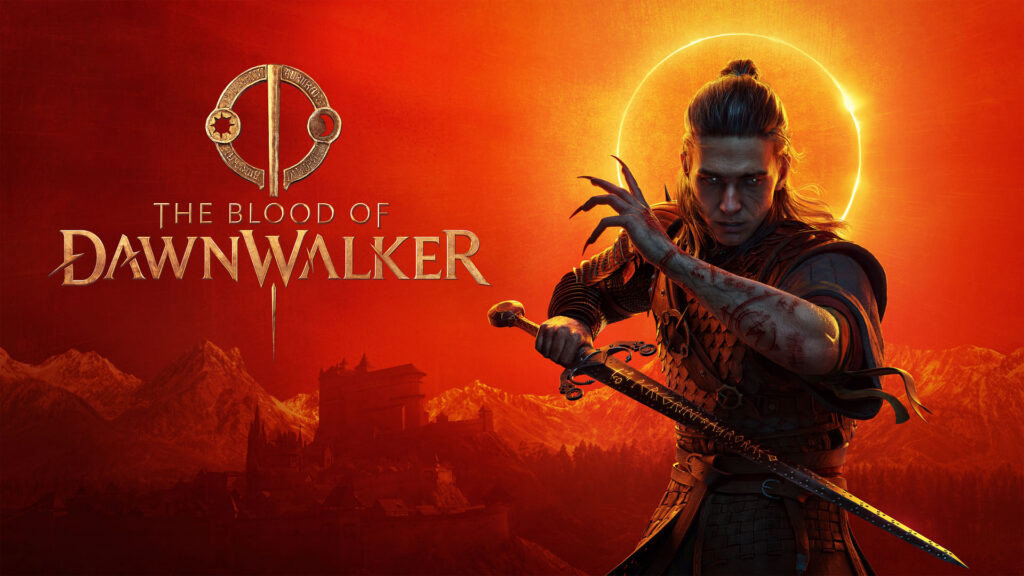
- The Blood of Dawnwalker is a dark fantasy action RPG about being a vampire hunting other vampires in 14th Century Carpathia, arrives on September 3, 2026 for XBOX Series X|S, XBOX on PC, and cloud. Play it on both console and PC at no additional cost with XBOX Play Anywhere.
- Published by Bandai Namco, it’s the debut from Rebel Wolves, a Poland-based studio founded by veteran developers from CD Projekt Red (The Witcher 3, Cyberpunk 2077).
- In a hands-on preview, we found how it combines excellent writing and performance with interesting systems around the passage of time, combat, and more.
Much of the vampire’s appeal is that it is equal parts terrible monster and alluring power fantasy. Sure, you have to sate a bottomless hunger for the blood of the living, but you get to be immortal, have cool powers, and look sexy while doing it. It’s thus surprising that in video games the balance is skewed so heavily towards killing vampires over being them — gamers are all about a violent power fantasy. For every Bloodlines or V-Rising, there are a dozen RPGs where vampires are just thoughtlessly thrown into the mix of chaff monsters that you grind for experience.
Fortunately, The Blood of Dawnwalker is here to right that balance as an upcoming vampire-focused RPG, arriving September 3, 2026. It’s the debut project from Rebel Wolves, a Warsaw-based studio formed by a core of veterans from CD Projekt Red (Cyberpunk 2077, The Witcher 3), dedicated to making single-player RPGs that are rich in both story and mechanics. I got to play the opening prologue of Dawnwalker at a recent preview event, including four hours of gameplay and a group interview with several developers. Knowing very little coming in, I left very excited for both this game and studio.
I, For One, Welcome Our New Vampire Overlords
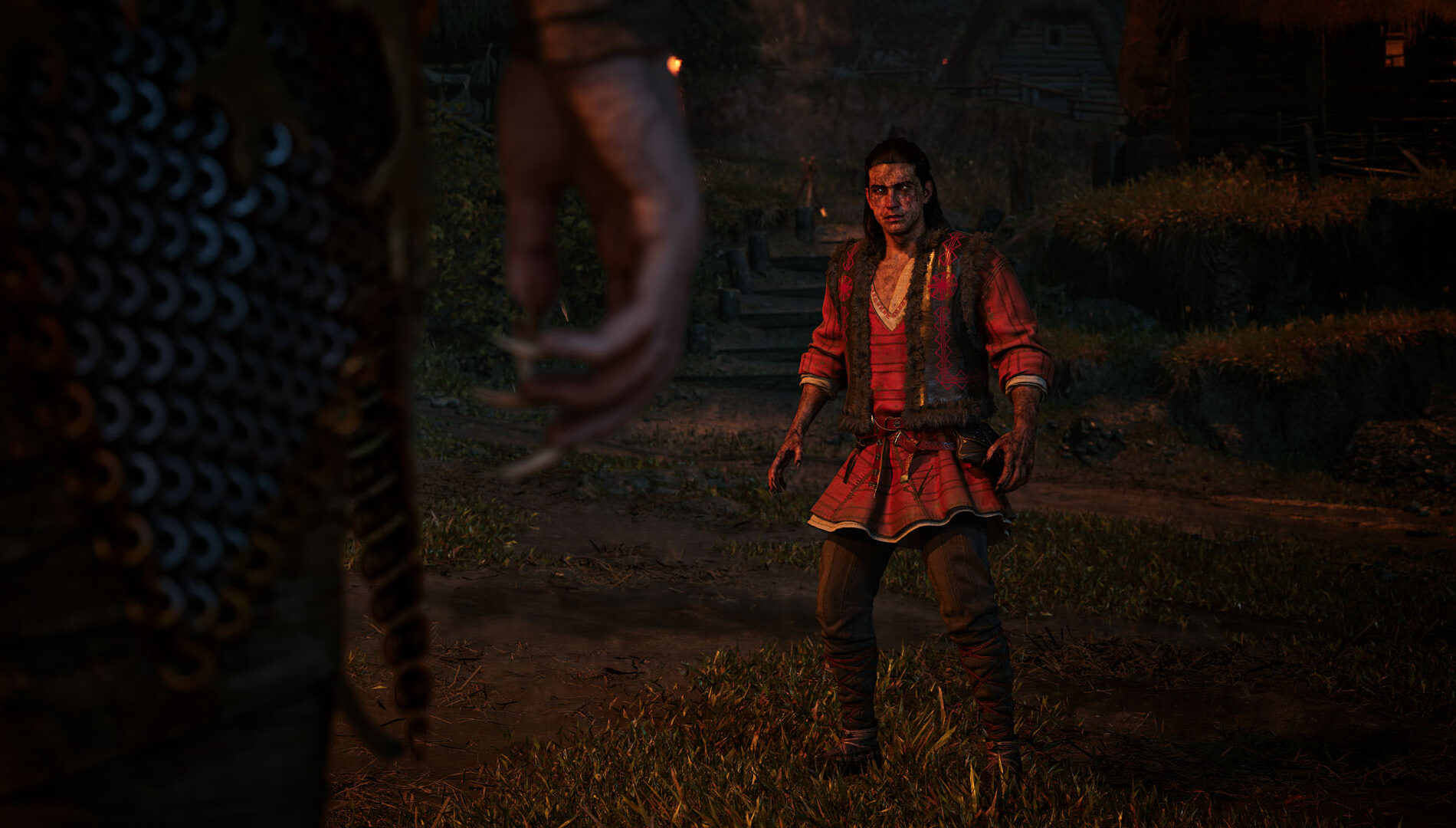
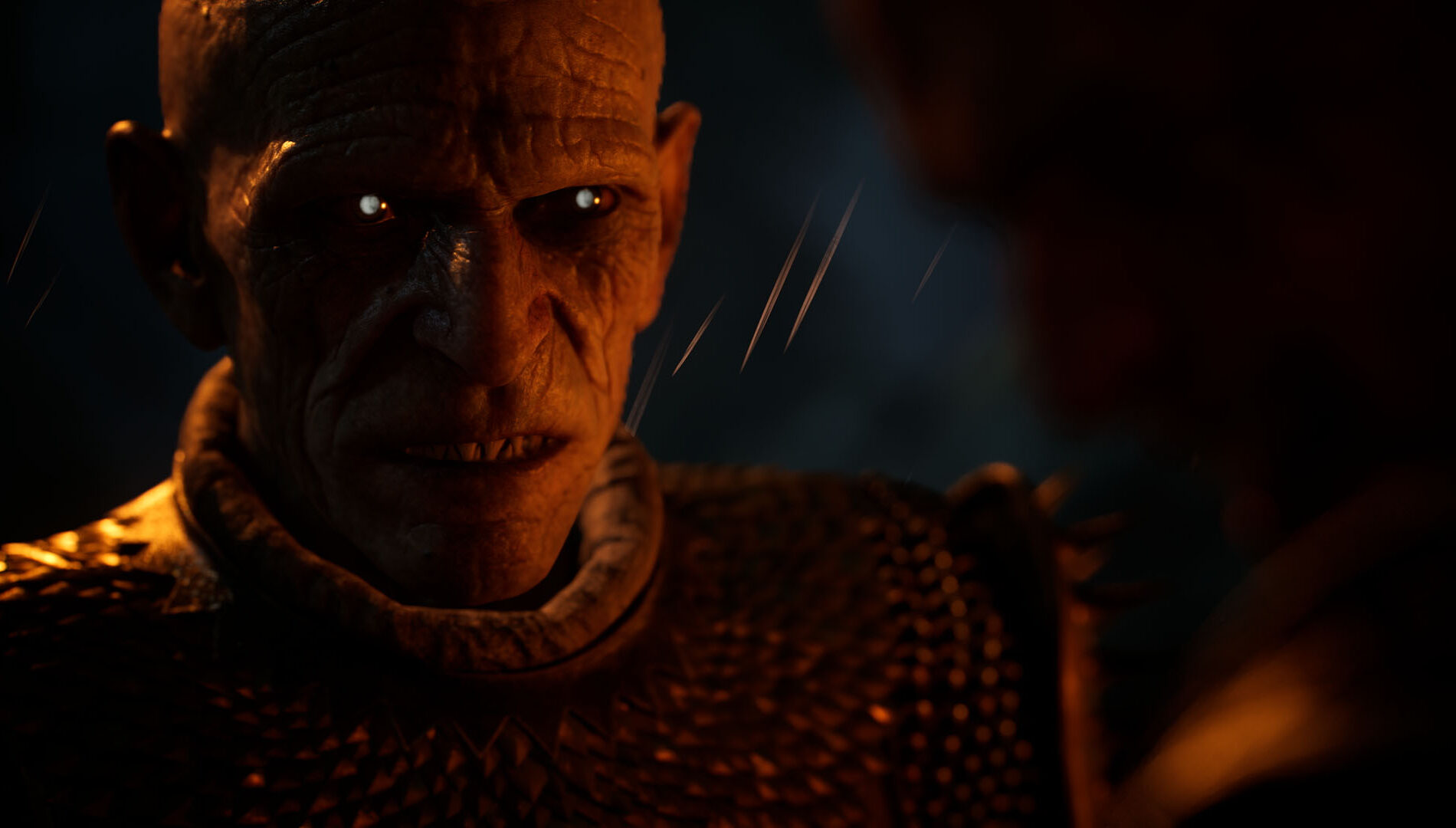
You play Coen, eldest son of a peasant family in the Vale Sangora, an isolated valley nestled in the Carpathian Mountains of southeastern Europe in the middle of the 14th Century. You had been ruled by a standard oppressive human noble (a “knyaz”), but at the start of the game he is overthrown by Brencis, a vampire (“vrakhir”) and his immortal cabal.
The isolation of the valley allows the vrakhiri to rule openly, without drawing the attention of larger neighbors. In many ways, it seems like Brencis rules with a more just and even hand than the deposed knyaz. Of course, there’s the whole ‘feeding on your people like cattle’ thing, but we can’t let politics be bogged down by purity tests, right?
Through the events of the prologue, Coen’s family is taken hostage by Brencis and in 30 days’ time they will die in a blood sacrament. Coen is transformed into a vrakhir, but only partway: his powers manifest at night, but during the day he reverts to being a human, unharmed by the sunlight (hence Dawnwalker). That means that Coen has one month to master his new powers, take on his ancient and powerful maker, and rescue his family.
It’s a fun and classic premise for a righteous heroic revenge fantasy with a familiar shape, but the open-ended way by which you can get from A to Z is what has me really excited about The Blood of Dawnwalker.
Tempus Fugit
That 30-day clock isn’t just an abstract conceit to provide narrative stakes for you to promptly ignore while you go and complete every side quest. The passage of time is a central mechanic, with each day and night being divided into 8 units each. This clock doesn’t advance in real time as you’re running around and exploring, but rather taking quest actions will consume one or several units of time, as denoted beforehand in the UI by hourglass icons. “We want players to feel tension. We want them to think about time actively like a resource,” said Senior Quest Designer Patryk Fijalkowski.
The prologue mostly covered one day leading up to an eventful midnight mass, at which the vrakhiri address the community. Coen’s father tasked him with going to the village herbalist, Anca, and getting something stronger to help his traumatized, anxious wreck of a mother endure the mass. Along the way he ran into his younger sister and brother, who asked him to escort them to the river for fishing, where wolves have been spotted. I couldn’t have Coen’s siblings eaten by wolves, so I accepted the prompt, which ticked the clock forward, then again later to help them set up the fishing lines. After visiting Anca, also staying longer than planned for an impromptu flirtatious Latin lesson while it rained – and then helping when a tree fell through her storehouse roof – I had time to help a neighbor find and then butcher one of their pigs.
The cost of time meant I couldn’t follow my usual compulsion of scouring the map and accepting every quest I came across, and instead I had to be deliberate with how I spent Coen’s day. It also eradicates the usual distinction between main and side quests. Rather than having main quests that advance diegetic time and side quests to be checked off at your leisure, there is just the pressure of a looming deadline and whatever you choose to do and fill the intervening hours.
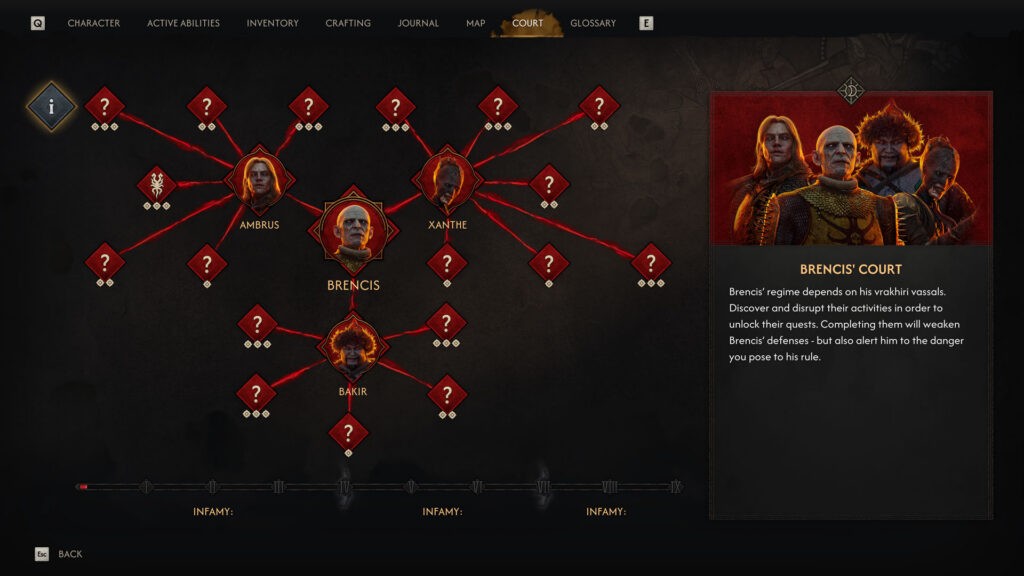
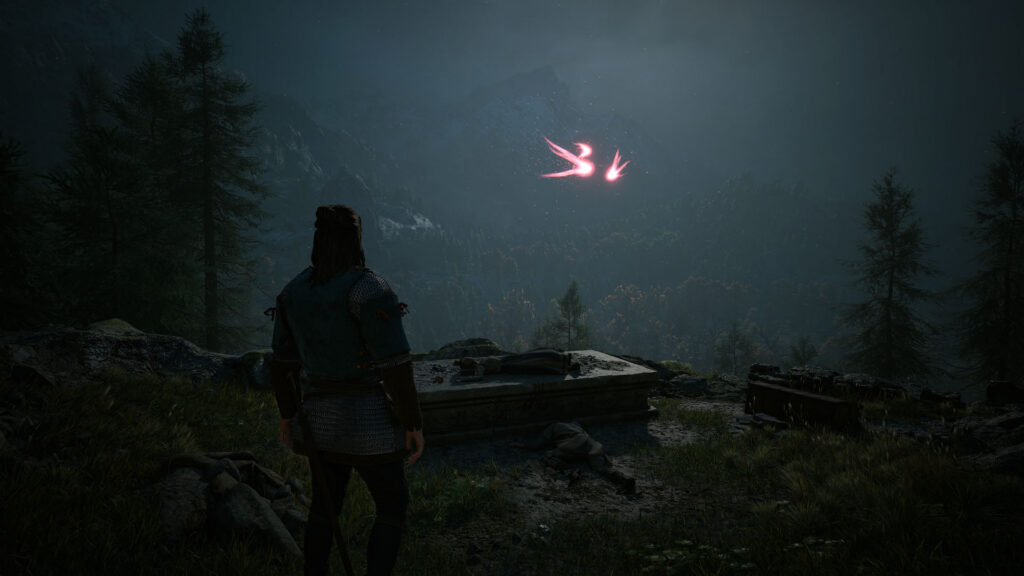
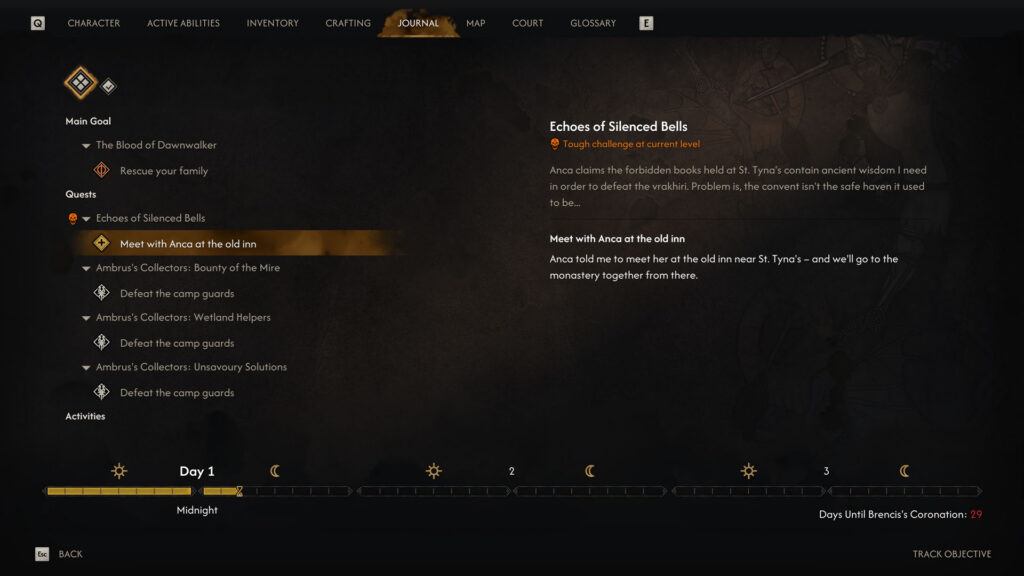
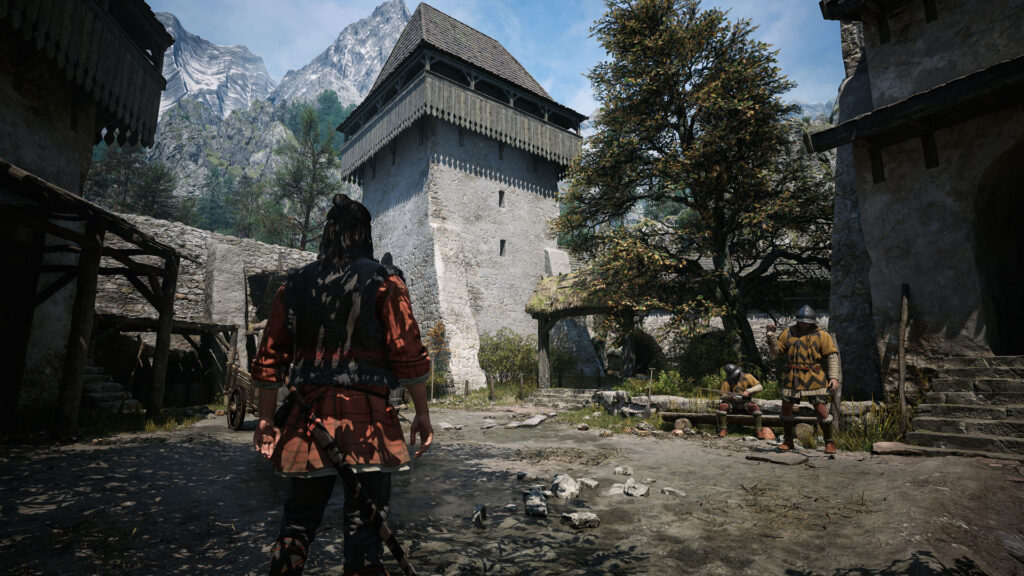
That open-ended structure of the first day is microcosmic of the whole game, which they described as a “narrative sandbox.” There isn’t a golden path of main quests to follow, but a valley full of narrative threads to pull at while you pursue your larger objective of bringing down Brencis. He has three main vrakhiri lieutenants, each of whom has their own associated stories for you to uncover as you try and take them down, but whether or the order by which you do so is up to you.
Many quests or areas are only accessible to Coen as either vrakhir or human, providing further limiting structure on how you can spend his days and nights. As someone who loves procedural narrative simulations like Dwarf Fortress or The Sims, I’m very excited to see this kind of systemic and frictional approach to single-player RPG storytelling, which should produce a much wider range of individual journeys within the same game than the genre often allows.
“There’s years of my work that you won’t see if you kill certain people,” quipped Environment Artist Adam Payet about how much variation the narrative accommodates based on player action. The overall game will continue once the 30 days are up (though I can’t imagine it goes well for Coen’s family), but you can also, like in Breath of the Wild, end it at any time by just showing up at Brencis’ castle.
“You can finish the game in the prologue — have you gotten to fighting Brencis?” Payet asked the group. “You can defeat him. Watching our QA people fight Brencis is something to see. They’re like machines: every blow parried, every attack dodged, every hit a critical.”
Sword and Claw
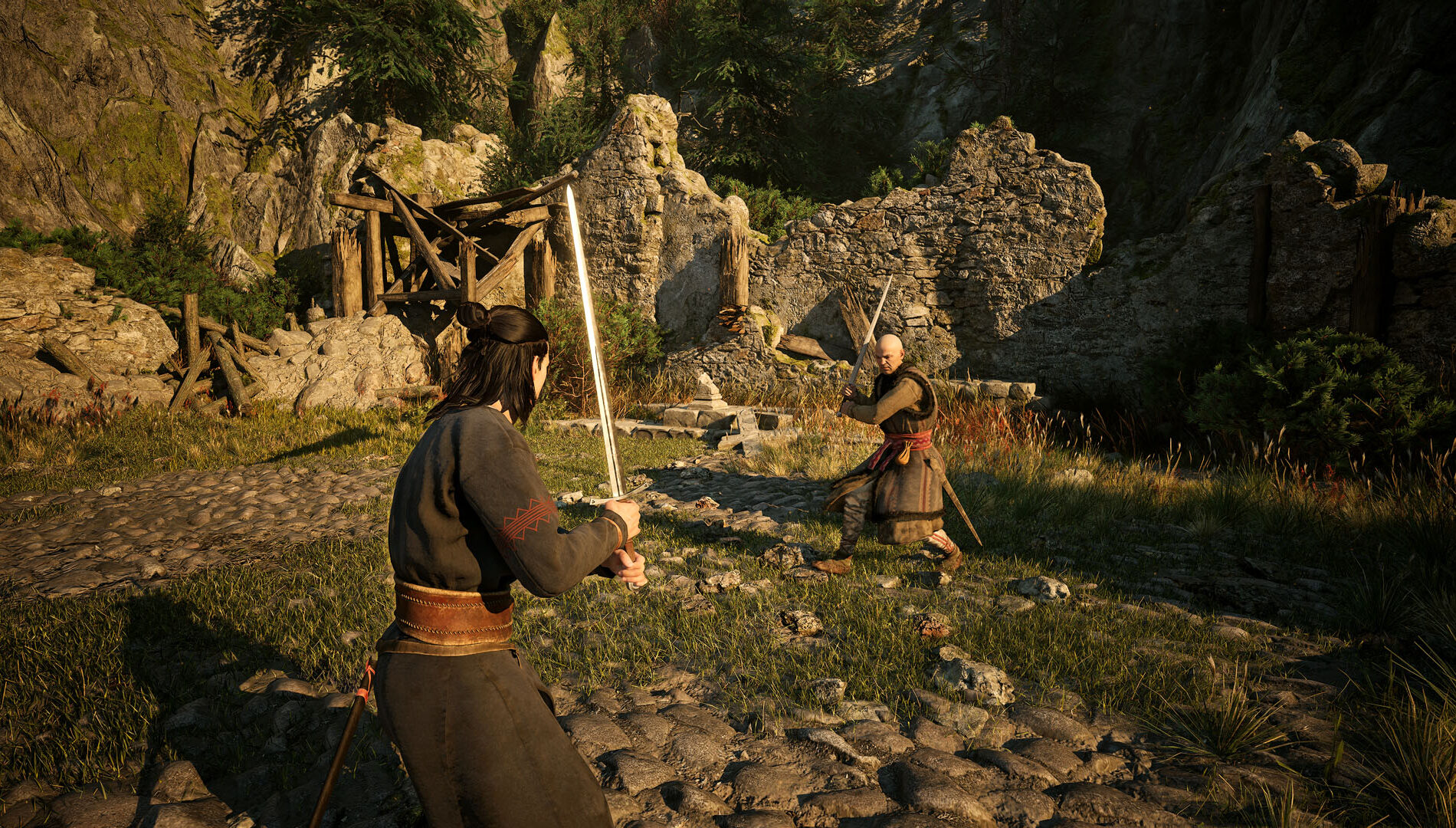
I had, in fact, fought that climactic duel with Brencis at the end of the prologue, and he absolutely whupped my ass. That was in no small part because The Blood of Dawnwalker has an interesting directional combat system that I was still wrapping my head around. When someone swings a weapon at you, an icon appears over their head indicating one of the four cardinal directions for the incoming attack. Just pressing and holding the block button alone will defend you, but at the cost of stamina. Moving the thumbstick in the corresponding direction at the right time as well, however, will parry the blow with no stamina cost. It applies to your attacks as well, and attacking in one direction too often will become easier to block.
It’s an interesting little tactical twist on standard action-RPG combat that makes it feel more active and embodied. The system is optional, but players will be rewarded with greater combat efficacy for mastering it. Fighting reminded me of The Witcher 3 in so far as one standard guy was pretty manageable, but being surrounded felt much more dangerous. I was bad at it, but in a fun way where I can look forward to developing mastery. I like that it’s not just a cut and paste of a more familiar combat system and has its own distinct flavor.
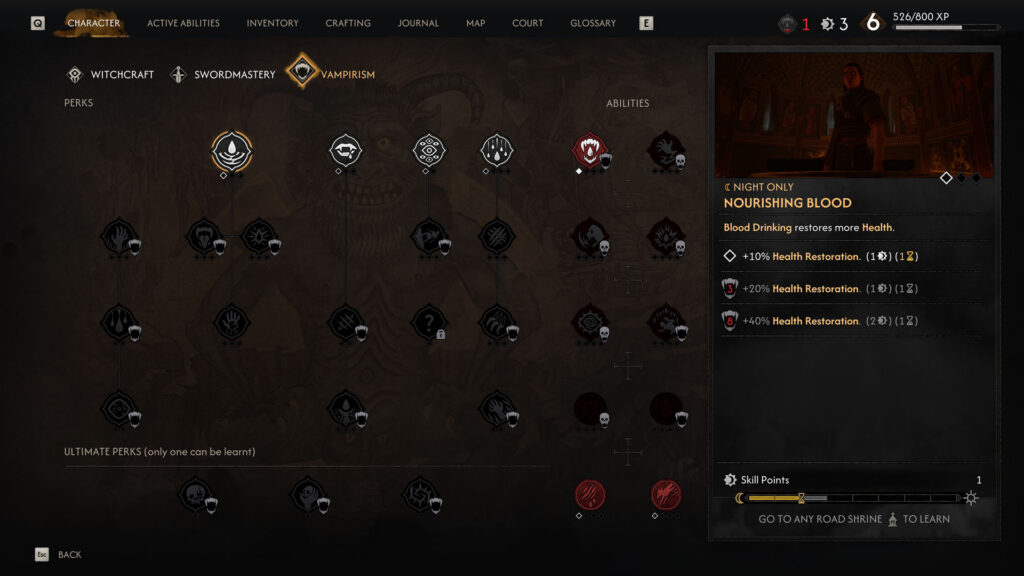
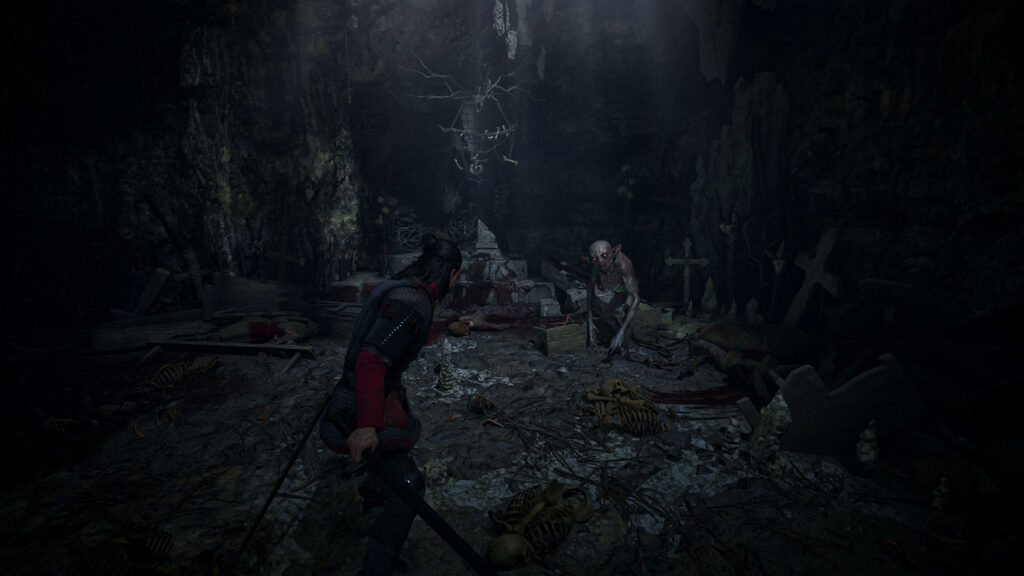
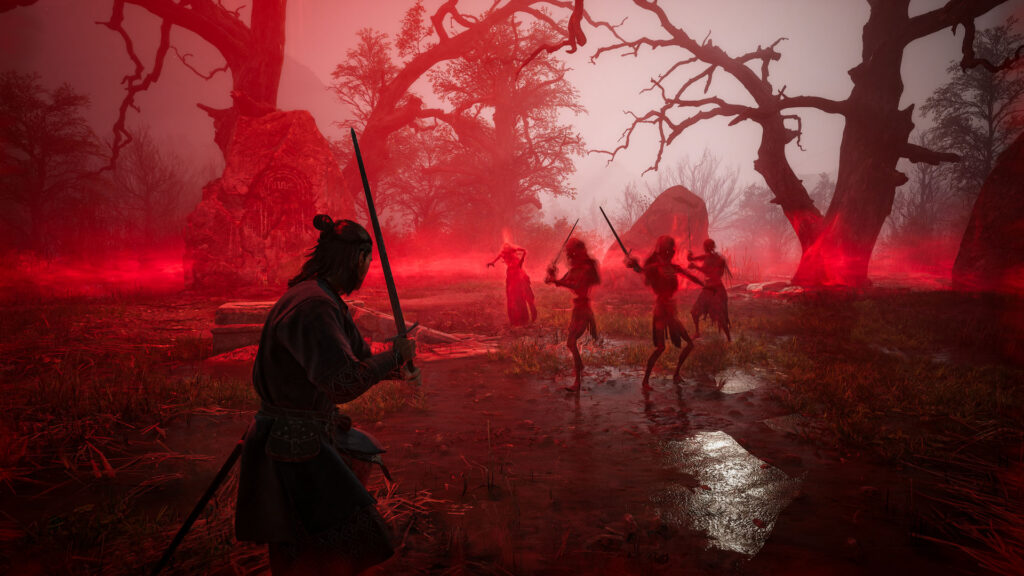
After turning, Coen could fight with his bare claws as well as with his sword. The other major expected difference is that he no longer healed from eating food, but from drinking blood. He can top off with rats and other small mammals, but obviously that’s not as fun as picking off unsuspecting soldiers before they have the chance to kill you.
I learned the hard way, however, that Coen doesn’t get immunity during the feeding animation, or from freaking out their nearby allies – biting one guard too close to his squad just meant getting immediately hacked apart by swords. The world feels dangerous at the start of The Blood of Dawnwalker, which will make it all the more fun to turn the tides as Coen accumulates power.
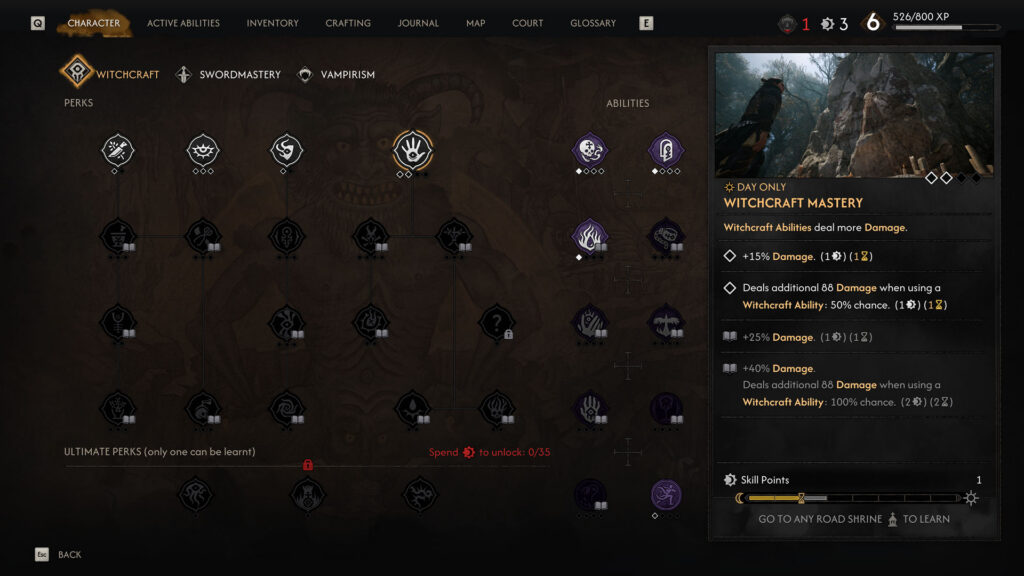
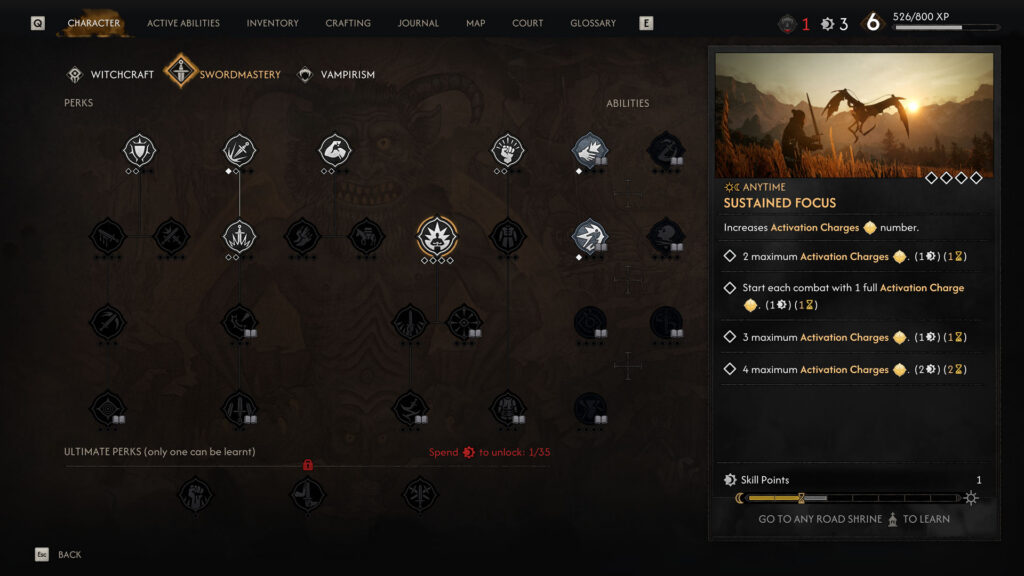
Those powers include walking up walls, opening up a lot of new traversal options at night, and turning into a wolf for moving quickly across the countryside. There are extensive skill trees for both vampire abilities and normal human swordplay. Assigning a skill point sometimes costs a unit of time, however, which is another interesting way to give your choices a bit more weight.
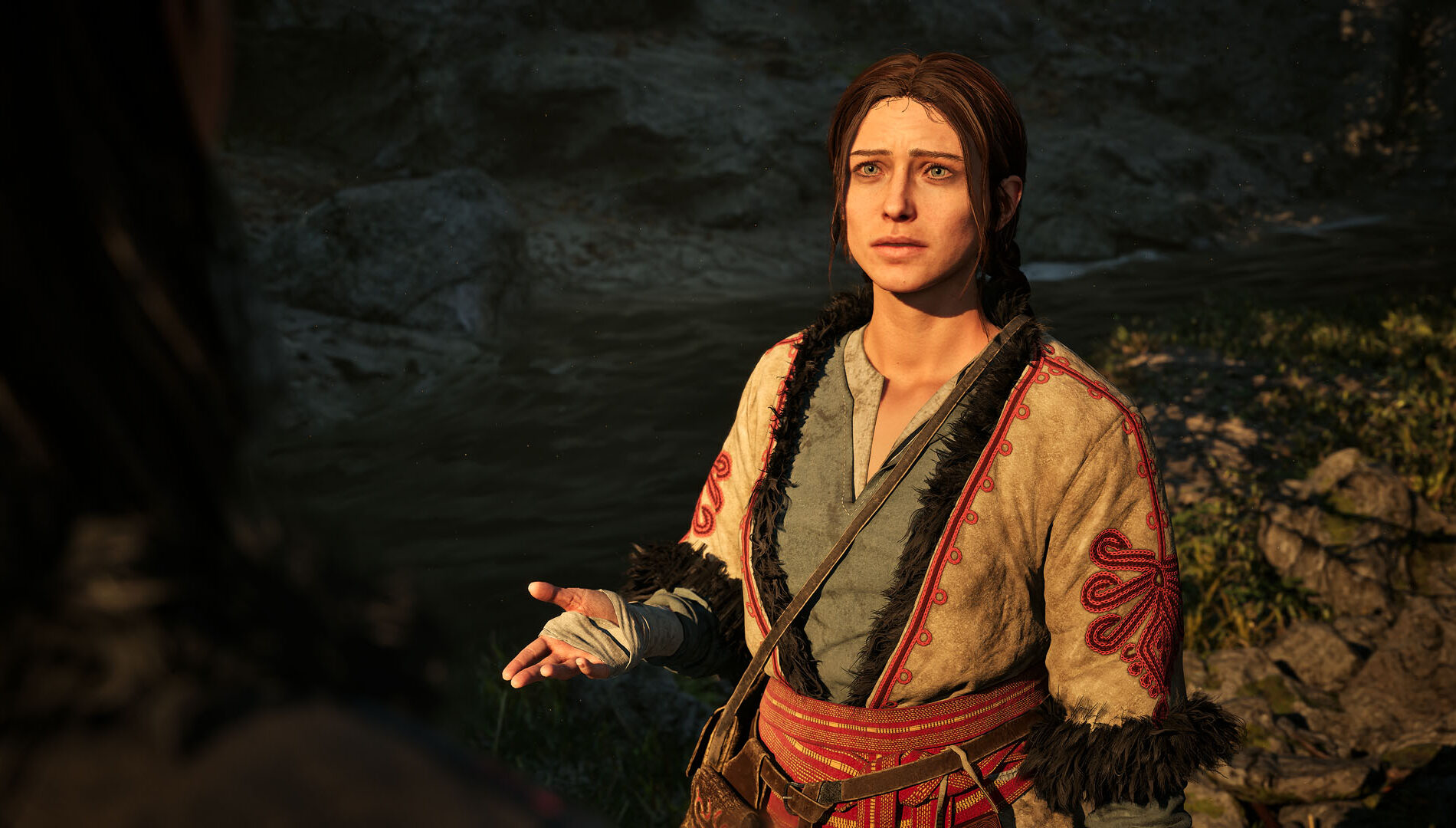
In order to balance out the experience so you don’t just feel underpowered half the time, one of the last things that happened in the prologue was Anca the herbalist teaching Coen how to practice blood magic as a human, which has its own skill tree. In context, it was to interrogate a dead soldier of Brencis for clues about what had happened to Coen’s family, meaning it will help with investigations, but there are also more concrete applications like faster running for traversal or direct damage spells for combat.
Friends and Family
Anca and Coen’s ongoing relationship brings it back to the real special sauce that elevates all of these interesting system design ideas: the excellent character writing and performances. Coen and Anca had a fun, natural chemistry (and the devs confirmed that there will be other romance options present).
I was surprisingly engaged by the saga of Coen finding a pig and then being a little dismayed when asked to help slaughter it (accepting a shot of liquor to help steady his nerves). When minding his siblings by the river, soldiers of Brencis approached – a human and an ogre-looking fellow called an uriash – and the uriash was actually the much nicer of the two, talking about how good it was to be living openly and participating in society now under the vrakhiri, instead of lurking in the shadows.
At every turn, the writing was empathetic, specific, and interesting, and also pleasantly reactive. When checking back in with Coen’s father at the end of that first day, he smelled the liquor on Coen from the pig slaughtering and gave him a hard time. Coen also informed him that he’d learned from the uriash that Brencis suspects his father of fomenting unrest. Apparently, the midnight mass can go quite a few different ways, depending on how Coen spends the preceding day. Particularly when the game is so open-ended about what exactly you can choose to do, it feels extra rewarding for it to be so reactive to those choices.
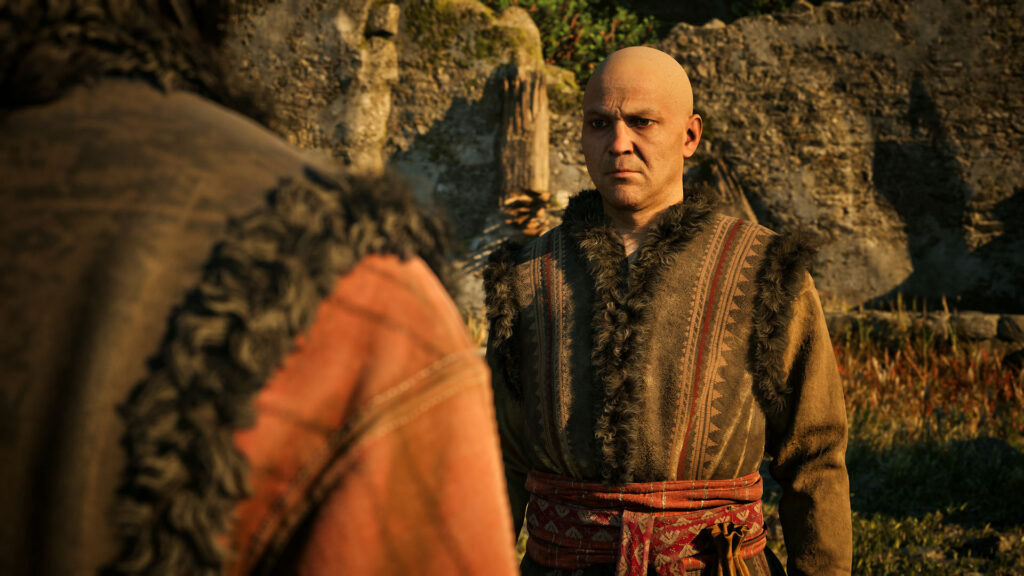
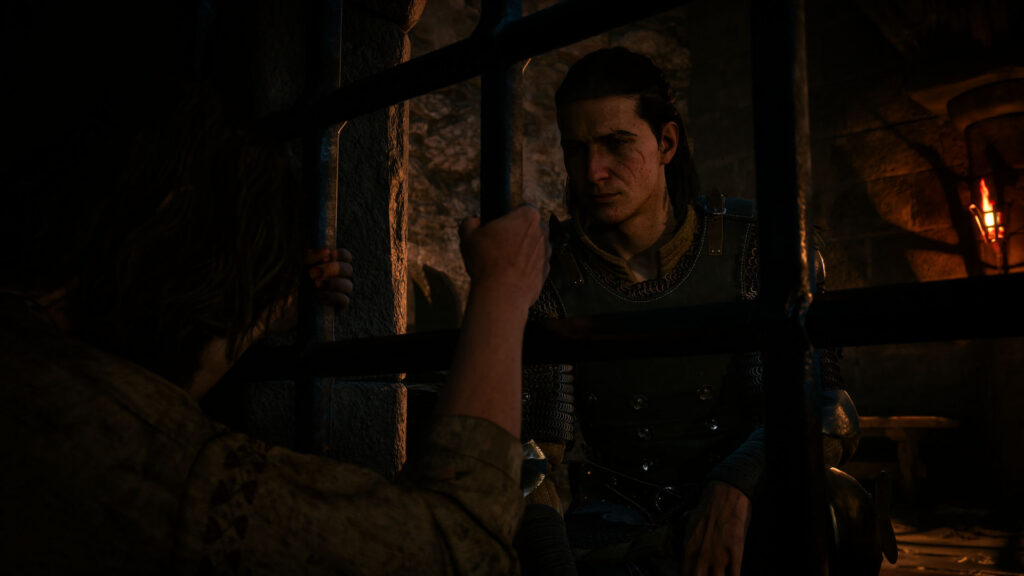
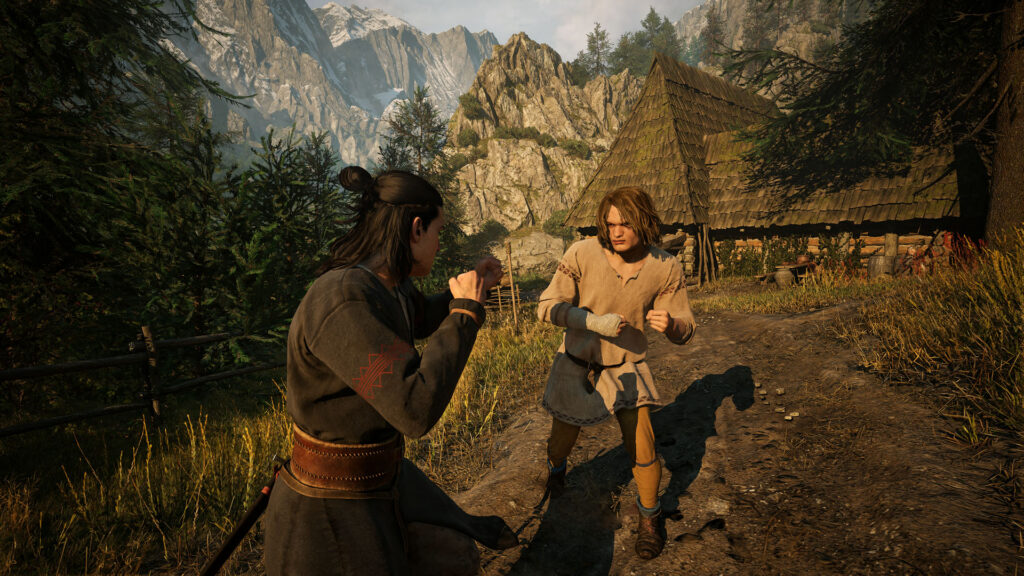
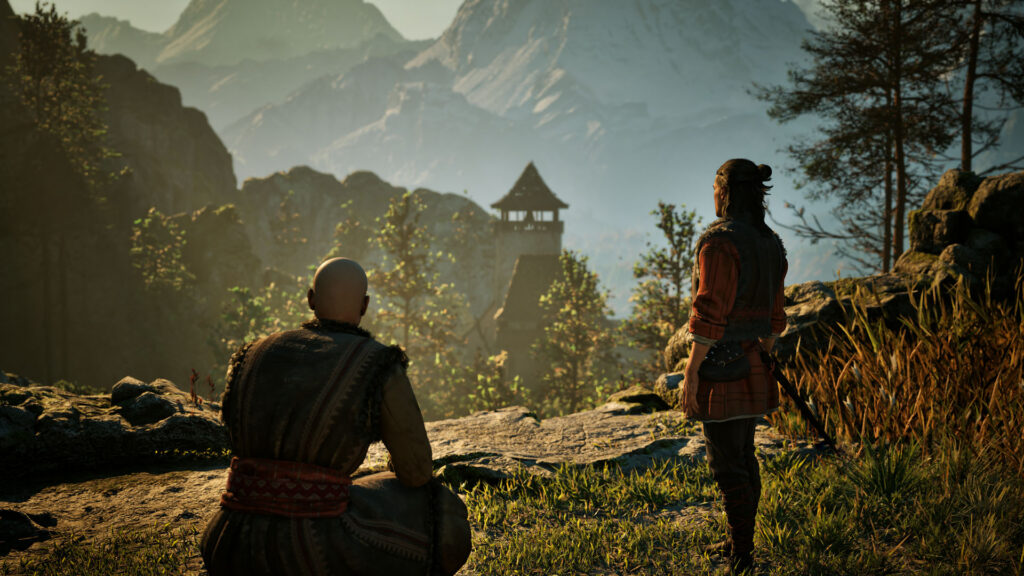
This high level of narrative execution for a new studio makes sense in the context of the founders’ previous work on The Witcher 3 and Cyberpunk 2077, both of which are noted for their writing and performances, like the widely praised Bloody Baron side quest. Way back when I reviewed The Witcher 3, I was struck by how the ending called back to a series of at-the-time smaller character decisions I had made in Geralt’s relationship to Ciri, which had basically amounted to him being a cool dad, informing her ultimate decision. The Blood of Dawnwalker builds on that legacy to expand that kind of narrative reactivity throughout the whole game.
Rebel Wolves have put an incredibly strong foot forward with their debut, and I am eager to play in the sandbox they are building when The Blood of Dawnwalker comes to XBOX on September 3, 2026.
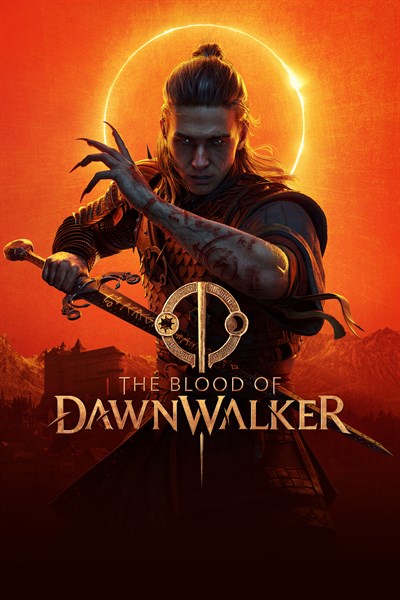

The Blood of Dawnwalker
Bandai Namco Entertainment Europe S.A.S.
The post The Blood of Dawnwalker: Dead and Loving It appeared first on XBOX Wire.
source https://news.xbox.com/en-us/2026/07/07/the-blood-of-dawnwalker-hands-on-preview/
Post a Comment for "The Blood of Dawnwalker: Dead and Loving It"