Indie Selects for July 2026: Gameplay That Will Make Summer Pop
Every Wednesday, dive into the Indie Select Hub — your gateway to a fresh, curated indie collection plus four themed spotlights that rotate weekly! You can always find this collection hub in the XBOX Store and on XBOX.com/IndieSelects.
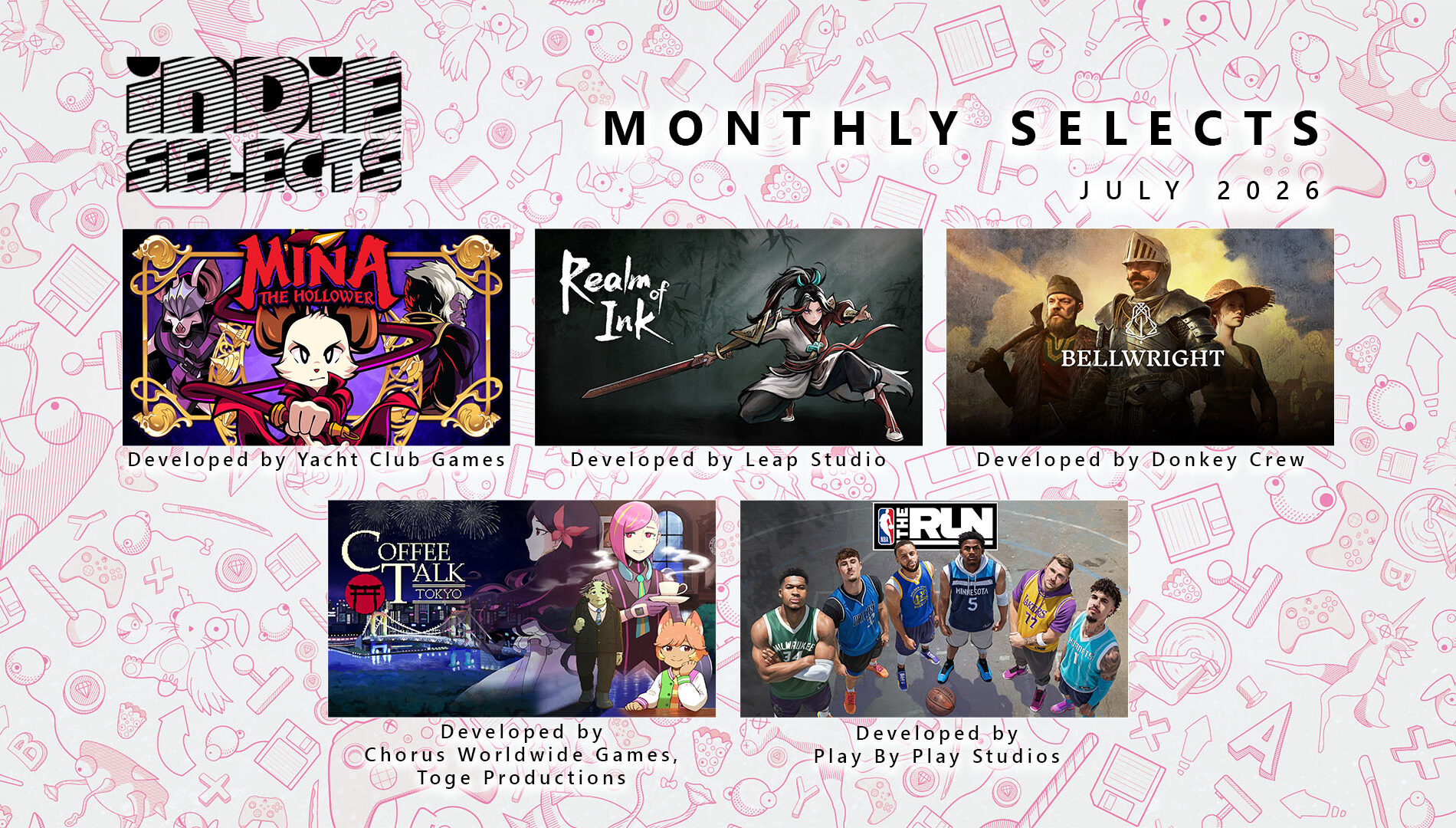
Summer is here! That means vacations, pool days, backyard grilling, and, of course, mesmerizing indie games. And you’re in luck: the ID@Xbox team has handpicked five Indie Selects for July that are ready to light up your night like a sky full of summer fireworks. July’s Indie Selects showcase games with strong personality, rewarding progression, and distinct worlds that invite players to keep coming back. Grab your sunscreen, charge your controller, and dive into the full lineup of July’s Indie Selects. (in no particular order):
Mina the Hollower
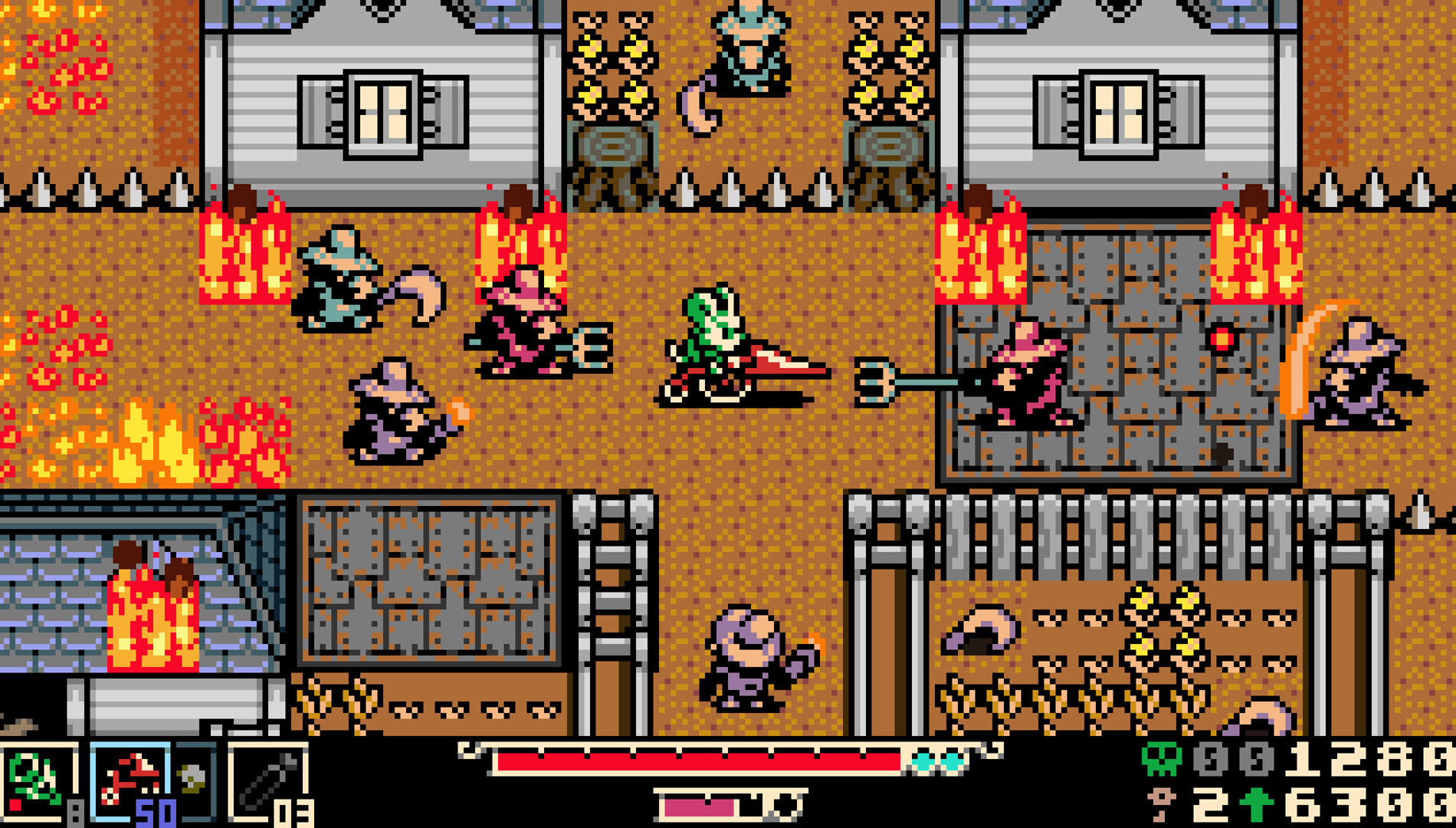
Mina The Hollower is a retro-inspired 2D top-down action-adventure game with a punishing, yet charming world. Players take on the role of Mina, a Hollower mouse, as she fights through hordes of enemies, traps, and bosses to restore generators and save a cursed island. It feels like a mix of Castlevania in the form of classic Zelda, with a sprinkle of Ghost ‘n Goblins, and a dash of Dark Souls.
“Everything is earned in Mina the Hollower.” I found myself repeating this after countless deaths to what looks like a forgiving world on the surface. It’s charming – but definitely not easy, and honestly, that tracks. It wasn’t until the final stretch, when mousetraps showed up as an obstacle, that it clicked: “oh yeah, I AM a mouse.” It’s easy to forget, because Mina can start to feel like a beast as you master traversal, unlock trinkets, sidearms, and weapon upgrades, but she’s still small in a world that’s thematically, overwhelmingly larger than her. You’re supposed to feel punished; you’re supposed to feel like Mina – barring pitfalls and hazard deaths, of course. While the methodical combat, larger-than-life bosses, and even the pacing of healing all reinforce a lot of the soulslike comparisons, it’s this idea of world scale and immersion that’s often forgotten when considering the ingredients of the genre and something that I find charming here.
It feels like a lost ’80s–’90s gem – polished just enough by Yacht Club to keep its spirit intact. Old-school design (contact damage, heavy knockback, real punishment) meets modern QoL, so it never feels dated. The world is charmingly dark, packed with lore, varied biomes, and fresh mechanics that keep things from getting stale. It’s tough but fair with every failure still feeling like something you can overcome – which makes pushing through it that much more rewarding. If you’re itching for that old-school top-down adventure feeling, this feels like a best-in-class example worth checking out!
– Deron Mann
Realm of Ink
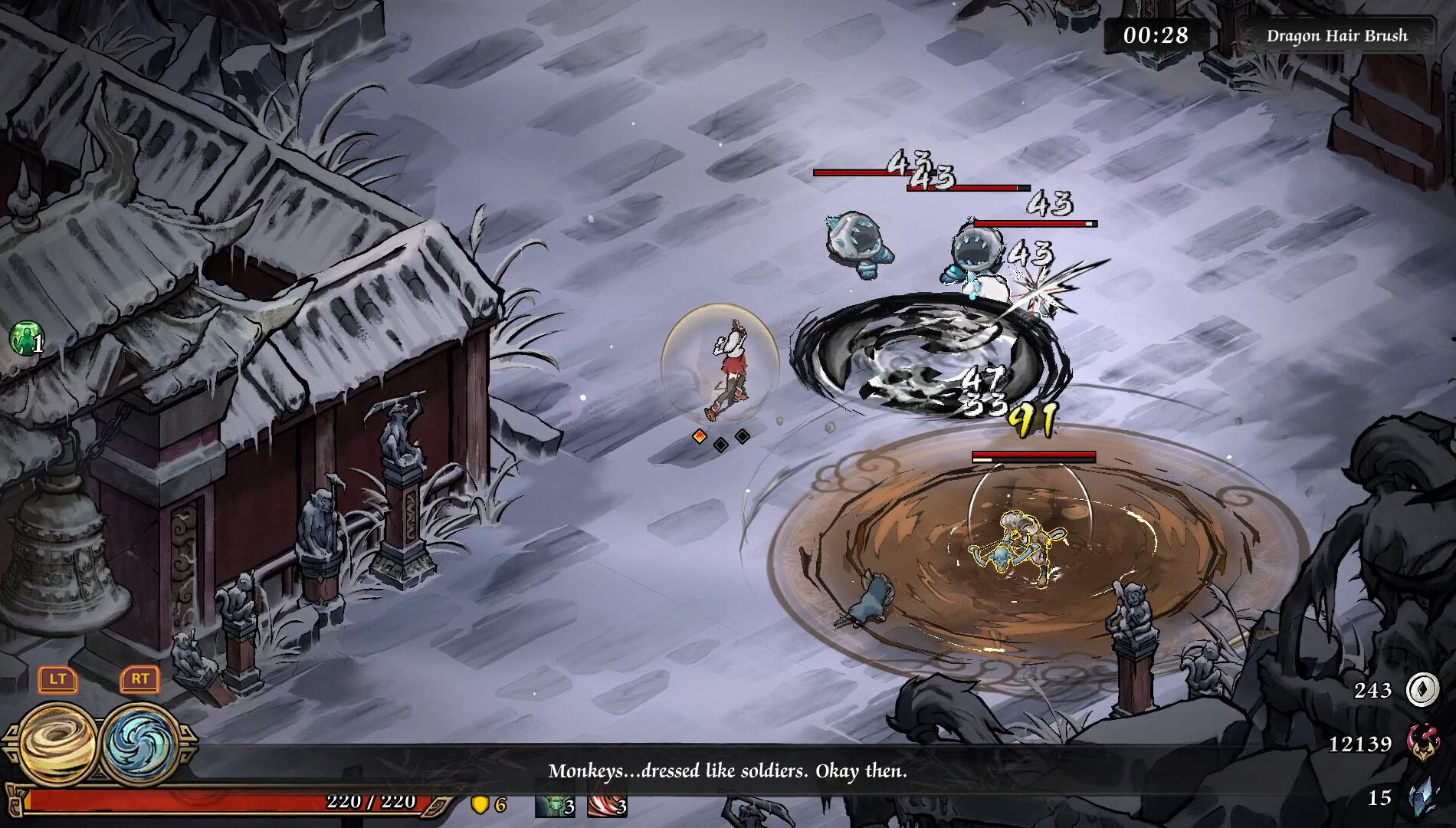
Realm of Ink is a fast, expressive action‑roguelite that blends fluid martial‑arts combat with a gorgeous ink‑brush aesthetic. Its world feels like a living painting—one that reshapes itself every time you dive in – giving each run a sense of discovery and momentum.
What pulled me in first was the atmosphere. The in‑game music has this warm, rhythmic energy that quietly nudges you forward, matching the flow of combat without ever overwhelming it. It makes even the tougher encounters feel like part of a larger, beautifully choreographed dance. I’ve spent countless hours experimenting with builds, mastering weapon styles, and chasing that perfect run. The learning curve is real, especially when you’re getting used to timing dodges and weaving abilities together, but it feels inviting rather than intimidating. There’s a joy in the moment everything clicks and you start moving through levels with confidence and style.
What I love most is how personal each run becomes. Some feel smooth and cinematic, others a little chaotic, but all of them carry that spark that makes you want to jump back in. If you enjoy games that reward curiosity, adaptability, and a bit of flair, this one fits right in your wheelhouse. Fans of Hades or Dead Cells will recognize the familiar loop, but Realm of Ink’s art direction, pacing, and musical personality give it a warmth all its own.
– Jessica Ronnell
Bellwright
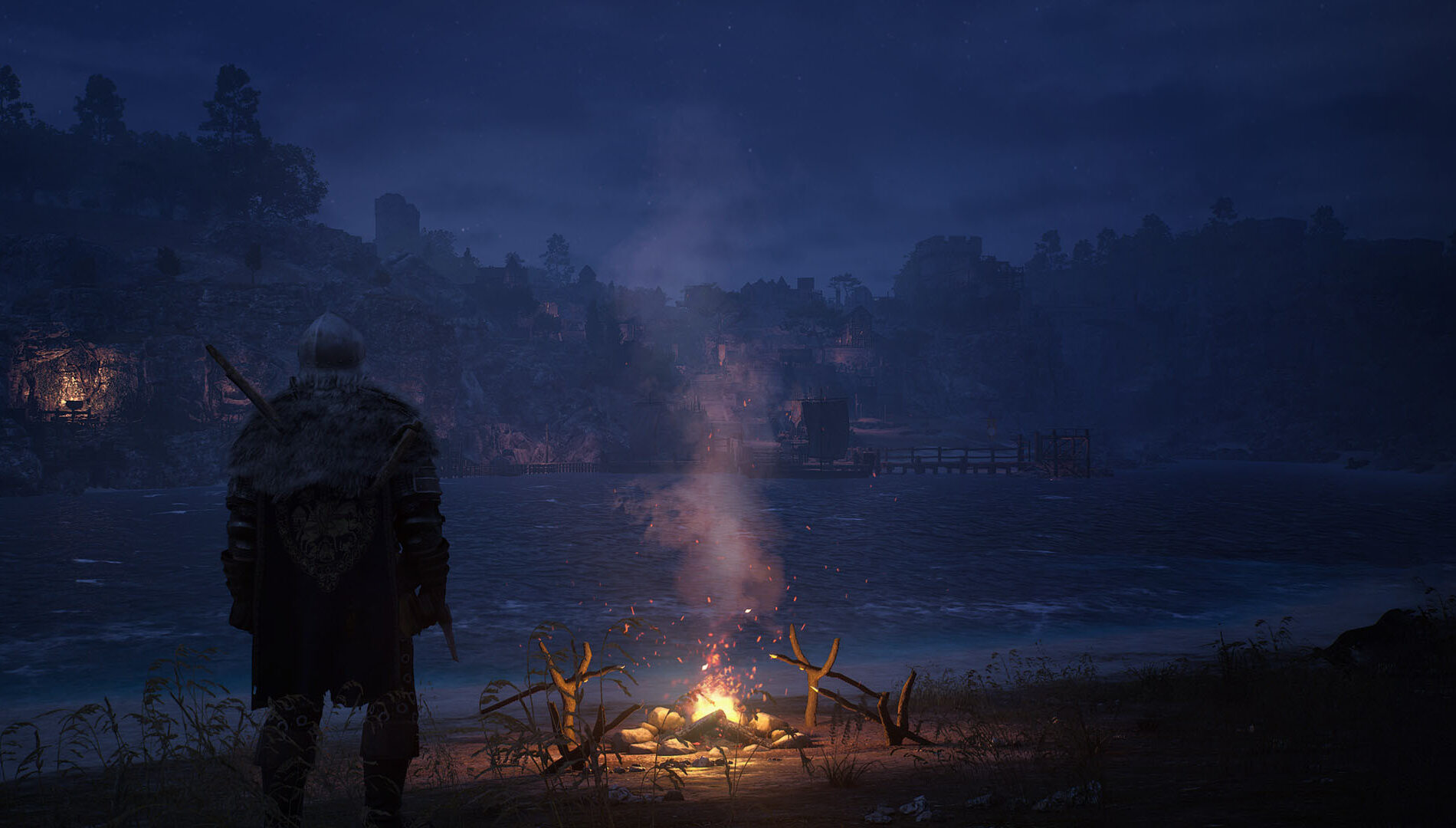
At first glance, Bellwright looks like another medieval survival game filled with crafting, gathering resources, and building settlements. While those elements are certainly present, Bellwright sets itself apart by making you feel less like a survivor and more like the leader of a growing movement. Developed by Donkey Crew, an independent studio based in Wrocław, Poland, the game casts you as a noble falsely accused of regicide who returns home to build a resistance against the crown, recruiting villagers, establishing settlements, and ultimately raising armies to reclaim the kingdom.
What kept pulling me back wasn’t the promise of bigger weapons or stronger armor – it was the growing sense of responsibility. Every villager had a job to do, every resource mattered, and every new settlement felt like another step toward something larger than myself. There’s a unique satisfaction in watching a patch of wilderness transform into a thriving community because of decisions you made hours earlier.
What really makes Bellwright stand out is how your role evolves over time. Early on, you’re gathering resources and building structures yourself, but as your settlements grow, villagers begin taking on those responsibilities. Before long, you’re spending less time chopping trees and more time planning expansion, organizing defenses, and deciding where your growing rebellion should strike next. Watching that transition from survivor to settlement leader – and eventually the commander of a growing rebellion – was one of the most rewarding aspects of the experience.
Players who enjoy the base-building and cooperation of Grounded, the exploration and progression systems of Valheim, or the community-building aspects of State of Decay 2 will feel right at home here. Bellwright blends those ideas into something that feels uniquely its own, rewarding careful planning just as much as exploration and combat. Watching the game evolve from a survival adventure into a full-fledged rebellion was incredibly satisfying. It’s the kind of game where you sit down intending to complete a single task and somehow end up leading an entire uprising before realizing it’s well past bedtime.
– Steven Allen
Coffee Talk Tokyo
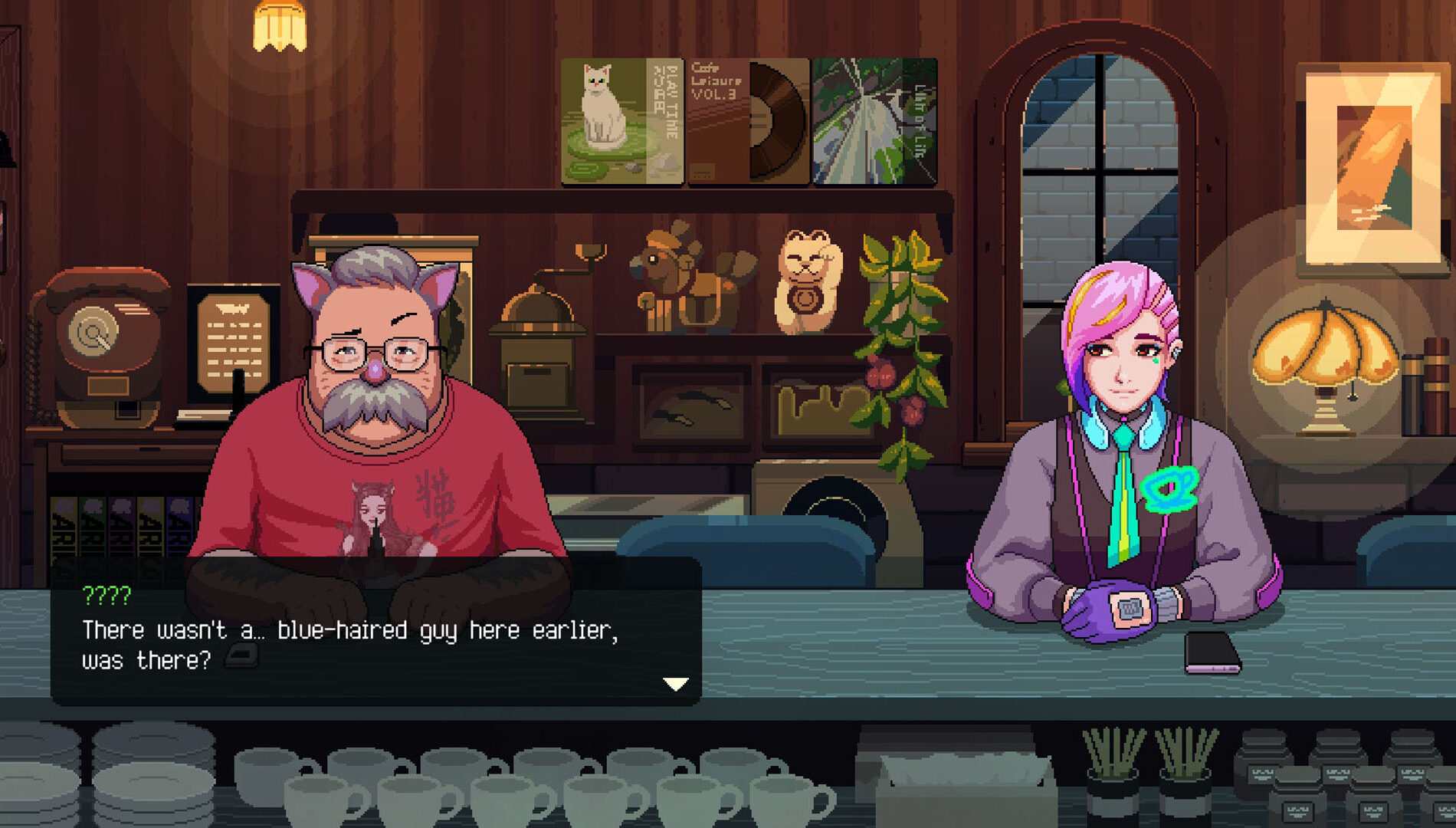
Lo-fi vibes? Don’t mind if I do! Coffee Talk Tokyo brings the beloved coffee-brewing visual novel series to a late-night café in Tokyo. New here? No problem! No homework required (though returning fans might spot a few familiar faces from Seattle). You’ll serve up drinks while soaking in heartfelt conversations about life, all wrapped in cozy pixel art and ultra-chill lo-fi beats. Oh, and some customers happen to be mythical creatures, but that’s just part of the charm.
The game unfolds entirely behind the counter of the café, where a small cast of regulars stop by each day to share their stories. The gameplay centers on making hot or iced drinks based on customer hints – simple to learn, but impactful, as your choices shape relationships and story outcomes. You can also make latte art, though much like real life, I’m not good at that part. You can also check in-game social media for extra character insight. The main appeal of Coffee Talk Tokyo is the cast of characters. Through these conversations, you’ll explore thoughtful, relatable themes while getting to know these characters who feel instantly real. The writing is incredible and you will cry. While one playthrough, taking about 10 hours to complete, offered a satisfying ending, multiple paths and endings plus two extra endless modes will have me coming back for more.
Coffee Talk Tokyo is a heartfelt visual novel that blends cozy, lo-fi vibes with deeply authenic stories about connection, love, loss, and identity. With its inviting presentation, memorable cast, and strong replay value through branching paths and unlockables, it’s an easy recommendation for both longtime fans and newcomers to the genre. Bring tissues.
– Raymond Estrada
NBA THE RUN
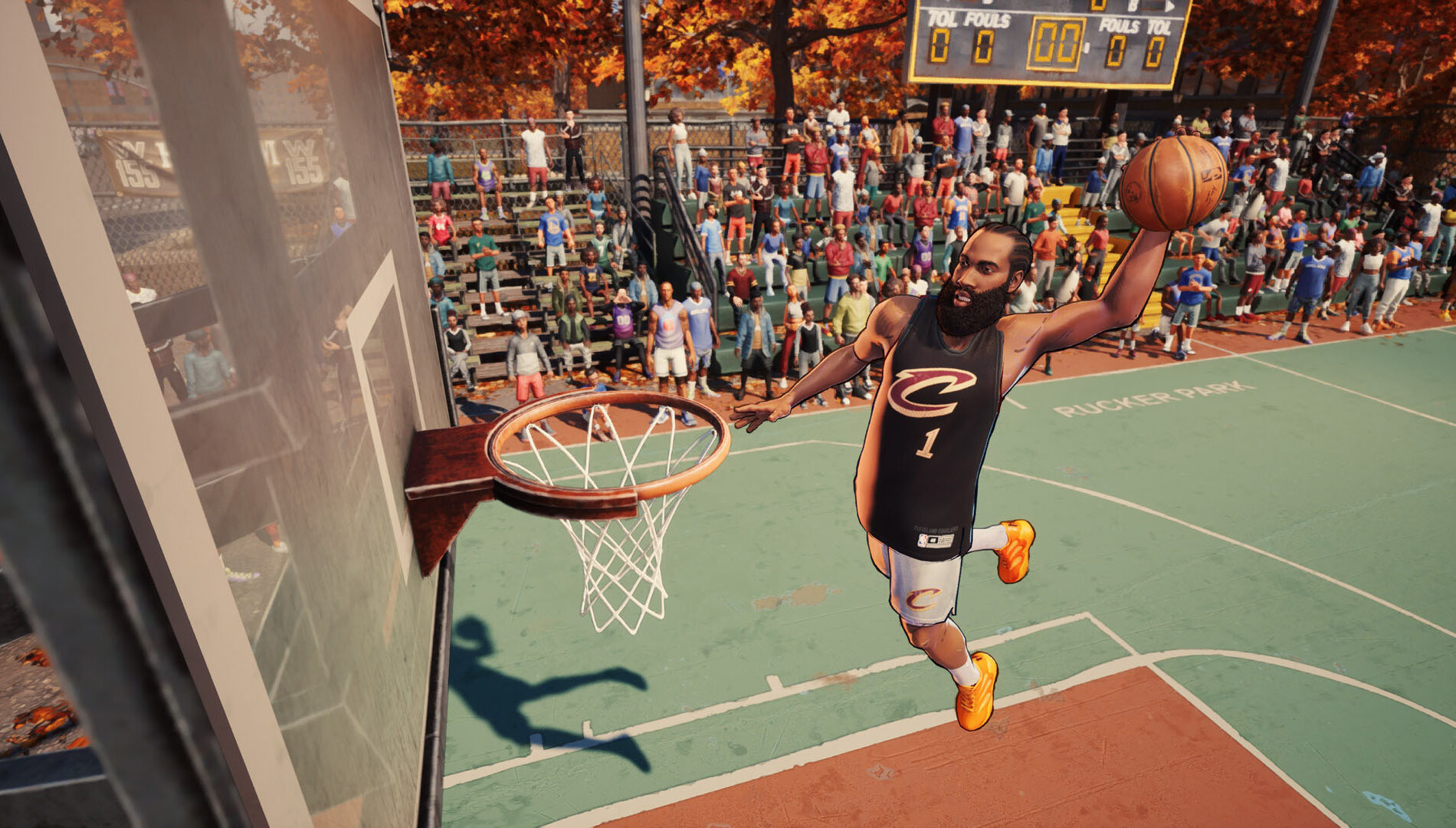
NBA The Run is an online-only, arcade style basketball game where players compete with their favorite NBA superstars in quick, tournament style sessions. It’s straight “shirts vs. skins” hoops, like pulling up to an open gym for runs. While the NBA delivered the game’s highest stage, the AND1 Mixtape Tour and spots like Rucker Park brought street legends closer to home. Most hoopers still idolized MJ, Kobe, Iverson, or LeBron, but in the early 2000s, some aimed to be Hot Sauce, Skip to My Lou, or The Professor. As a gamer-first athlete, I feel blessed to have grown up during the rise of street-style sports games, from basketball to football to FIFA, each highlighting a different, equally real side of the sport. They weren’t better or worse than sport simulation titles, but they leaned into expression, personality, and culture as a focus rather than a feature—and it showed!
NBA The Run builds on that street-era foundation through its presentation and approachable design while creating something that feels modern and accessible. Players choose from a roster of NBA stars and original Street Legends, each with their own ratings and “zone abilities” inspired by their real playstyles, to compete online in Knockout – a 3-on-3, four-round tournament where only one team comes out on top. Each round introduces randomized rulesets that shift scoring and pacing just enough to keep runs fresh without overcomplicating the core experience. I’ve played a decent number of sessions, and while it’s still taken me some time to find my footing – both figuratively and literally, since I KEEP falling for crossovers, to which Bobbito never failed to remind me – I found myself hooked on the loop. The sessions are short but satisfying, and scoring, trick moves, blocks, and steals all feel rewarding. It’s not perfect, nor is it one-to-one with its predecessors, but it’s easy to find the fun and if you like arcade style basketball with a street style spirit, then I’m sure you’ll agree.
– Deron Mann
The post Indie Selects for July 2026: Gameplay That Will Make Summer Pop appeared first on XBOX Wire.
source https://news.xbox.com/en-us/2026/07/01/indie-selects-july/
Post a Comment for "Indie Selects for July 2026: Gameplay That Will Make Summer Pop"